Silver Screen Library
Black Film by David F. Walker - Review

Follow Us:






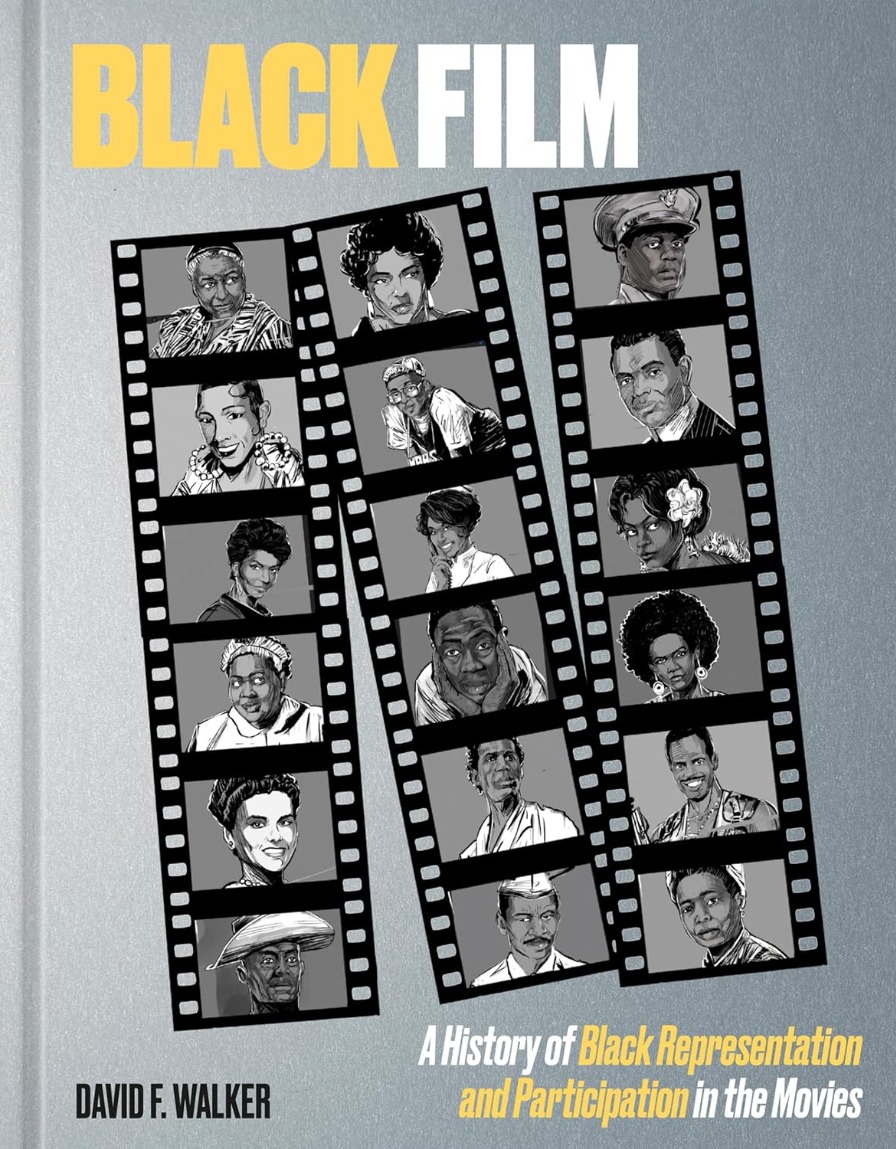
Black film has been around as long as the movies themselves. In the 1890s, Thomas Edison produced a series of “actualities,” 30-second shorts showing plotless scenes of people in motion. Among Edison’s actualities were titles such as 1896’s A Watermelon Contest, as well as others I can’t mention in this review. Author and filmmaker David Walker traces the history of Black films from Edison’s actualities to 2025’s Sinners, a film with Black themes and a predominantly Black cast that won four Oscars (and was my favorite film of the year). Walker condenses this rich history into a 200-page book, Black Film, which includes many illustrations and vintage posters. The book, of necessity, glosses over some topics and omits mention of some movies I would have included, but overall, provides an excellent introduction to a subject with which most people, including regular moviegoers, are unfamiliar.
A history of Black film is a history of racism and changing attitudes towards race in America. The author defines a Black film as a movie that either (1) features a predominantly Black cast and was made intending to be marketed primarily to Black audiences or (2) stars at least one Black actor in a major leading role that is crucial to the story. That definition runs into problems in the first chapter, as the author acknowledges that
many early “Black” films featured white actors in blackface. Eventually, Black vaudeville performers like Bert Williams began being cast in films that were essentially extended vaudeville routines.
As these movies became more successful, independent production companies began making movies with predominantly Black casts. These companies were owned by whites but sometimes featured groundbreaking Black filmmakers, such as Oscar Micheaux, in prominent roles behind the camera. These production companies began making “race films” with all-Black casts that were marketed to Black audiences. Also, throughout the 1920s, more Blacks appeared in films with predominantly white casts, although usually as maids, porters, and other extras, or specialty comedy or musical acts. However, the most groundbreaking film of the 1920s, The Jazz Singer, featured the white actor, Al Jolson, in blackface.
The author traces the evolution of Black films over the decades and identifies prevailing genres across different time periods. The overt racism of early silent films, including D. W. Griffith’s Birth of a Nation, became more subtle in the 1930s. Gone with the Wind portrayed slaves like Mammy (Hattie McDaniel in the first Oscar-winning role for a Black performer) as valued members of the household, a “history” that was fictitious and racist but more palatable for white audiences. Black roles in films with predominantly white casts were non-threatening, often domestic help or comic sidekicks, that catered to white prejudices. In addition, the Hayes Production Code prohibited portraying all sorts of immoral behavior on screen, including anything that suggested miscegenation (illegal in many states at the time). As a practical matter, many theaters in Southern states refused to screen films containing what they considered objectionable racial content.
By the 1940s, major studios were making what the author calls “Negro Problem Pictures” in which a Black secondary character faces difficulties, and sympathetic white characters come to the rescue. By featuring a Black actor in a significant co-starring role, the studio could also market the movie to Black audiences. In the 1950s, Sidney Poitier became the first Black actor to carry a film with an otherwise white cast, but it wasn’t until the 1970s and 80s that Richard Pryor and Eddie Murphy followed. Ironically, their success was viewed by the major studios as exceptions that “proved” the general rule. The 1980s saw significant numbers of Black directors and writers as well, although, as with Black actors, progress was slow. (No black director has ever won an Oscar, although films like Moonlight and 12 Years a Slave won the Best Picture Oscar.)
The author discusses well-known figures like Paul Robeson, Lena Horne, and Dorothy Dandridge, devoting one or two pages to each. However, he gives lesser-known figures like Michael Schultz equal time. He also devotes a generous amount of space to describing Duane Jones’s role in Night of the Living Dead. Those looking for comprehensive biographies of the many performers and behind-the-camera personnel the author mentions will be disappointed. However, “Black Film” may prompt some readers to do additional research of their own. In a 200-page book, the author could not mention every significant performer or film, but he captures the highlights. However, I wish he had mentioned Song of the South and To Sir, with Love, two very different but significant race movies.
Black Film contains dozens of photos of vintage movie posters dating back to the silent film era. Sometimes, those posters are the only remaining evidence of the underlying movies, which have been lost to time. I found the posters to be some of the most informative material in the book. The posters reflected the attitudes of the studios that made them and their assumptions about what would draw audiences. In some cases, the posters were very crude in that regard. The posters from the Blaxploitation era were quite different but equally informative.
I’ve probably seen more of the movies mentioned in Black Film than most moviegoers, and I was aware of many of the others. I still learned a great deal from reading the book. Like the author, I’m a fan of many of the Blaxploitation films, having seen them in their original theatrical runs. (Cotton Comes to Harlem and Slaughter are two of my favorites.) I was aware of the underlying racism in many of the films, though not to the extent the author highlights in the book. The book is informative and entertaining. It’s also a quick read that doesn’t get bogged down in the finer points of filmmaking. Black Film is a book for all film buffs.
NOTE: The publisher graciously provided me with a copy of this book through NetGalley. However, the decision to review the book and the contents of this review are entirely my own.
In this clip, author David F. Walker discusses his creative process and his love for Blaxploitation movies on the Comics Are Dope podcast:
Read other reviews of Black Film:
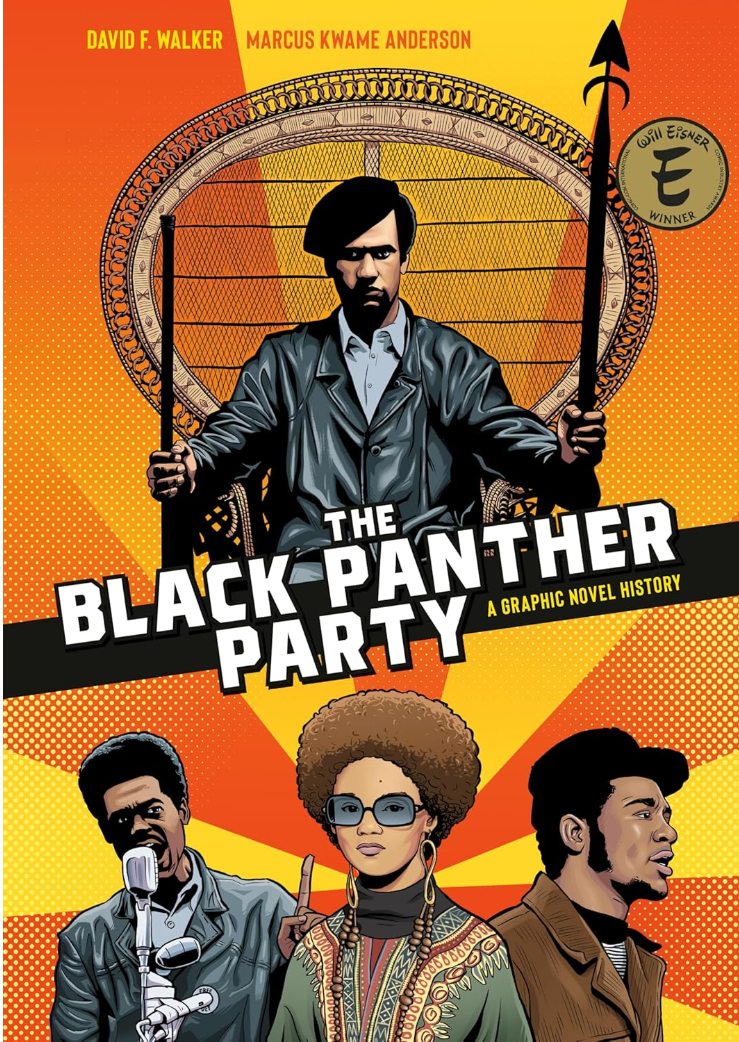
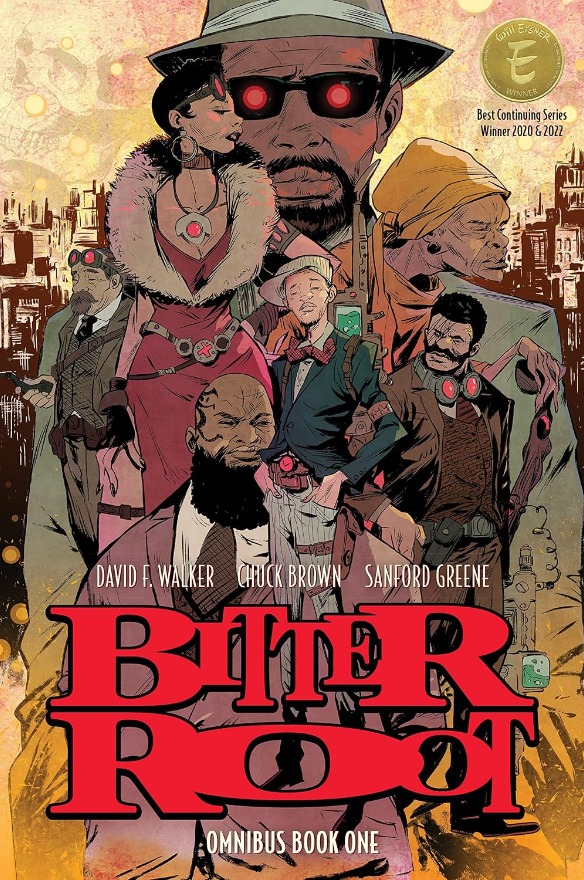
David F. Walker is an award-winning journalist, filmmaker, comic book writer, and creator of pop culture magazine BadAzz MoFo. He is the co-writer and co-creator of Naomi (DC Comics) and the Eisner Award-winning Bitter Root (Image Comics). He is the author of the graphic novels The Black Panther Party: A Graphic Novel History and The Life of Frederick Douglass. Walker is also the author of Shaft’s Revenge, the first new novel starring John Shaft in over 40 years.
Read other David F. Walker books on Amazon:

Header Photo: "Riot Radio" by Arielle Calderon / Flickr / CC By / Cropped
Silver Screen Video Banner Photos: pedrojperez / Morguefile; wintersixfour / Morguefile
Join Button: "Film Element" by Stockphotosforfree
Twitter Icon: "Twitter Icon" by Freepik
Facebook Icon: "Facebook Icon" by Freepik
LinkedIn Icon: "LinkedIn Icon" by Fathema Khanom / Freepik
Goodreads Icon: "Letter G Icon" by arnikahossain / Freepik
Certain images on this site appear courtesy of Amazon.com and other sponsors of Silver Screen Videos for the purpose of advertising products on those sites. Silver Screen Videos earns commissions from purchases on those sites.
© 2026 Steven R. Silver. All rights reserved.
