Silver Screen Library
Crazy Lucky by John Mason - Review

Follow Us:





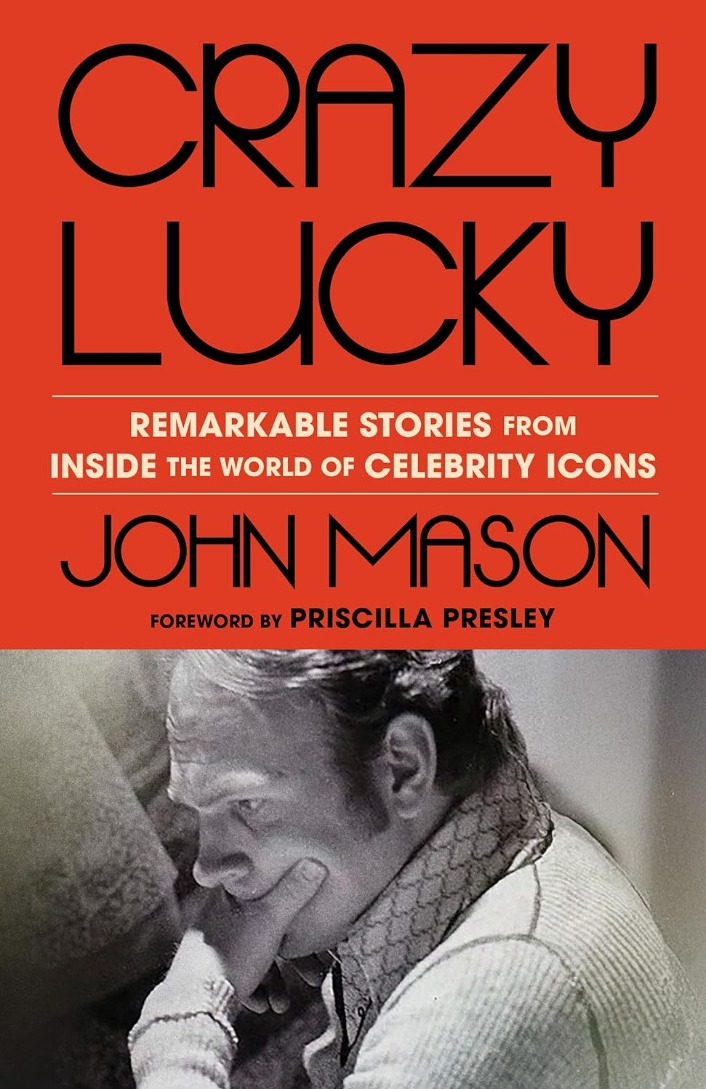
In recent years, we’ve had celebrity tell-alls written by a wide variety of professionals and not-so-professionals billing themselves as agents, managers, publicists, bodyguards, and others “to the stars.” However, I’d never read a book by an attorney who specialized in entertainment law and had a roster of clients worth writing about. Now, I have. John Mason, whom “Billboard Magazine” named an “Entertainment Lawyer of the Year,” and whose client roster reads like a “Who’s Who” of the music industry for the past 40 years, has written Crazy Lucky. In part, it’s the story of his own career, but in a more interesting part, it’s the story of some of his remarkable clients.
While many entertainment law attorneys enter the field from a more general practice, Mason followed the opposite career path. He learned to play the guitar as a child (he originally wanted to be a singing cowboy, but he couldn’t sing) and joined a surf music band called the Marketts while in high school. (Their top seller, “Out of Limits,” peaked at #3 on the “Billboard Hot 100” and can be heard on the Pulp Fiction soundtrack.) After attending Cal Berkeley Law School, he joined one of Los Angeles’ most prestigious law firms as a junior associate. Years later, he
realized he wouldn’t get far in a big firm, despite already having many celebrity acquaintances. (He helped Jack Lemmon’s mother beat a traffic ticket.) So, he and another attorney started their own firm in 1977, which eventually became an industry leader.
The first and least interesting part of Crazy Lucky is a mini-autobiography of Mason, detailing his own career. What set him apart from most other entertainment lawyers of that era was his active pursuit of clients in the music industry, as opposed to movies and television. His background as a musician helped in that regard. The bulk of Crazy Lucky comprises stories about 14 of his well-known clients, most of whom were recording artists and writers. These stories follow the same general template. Mason begins with a short biographical sketch of the client, which often reads like a Wikipedia page. Then, he describes how he came to meet and represent the client. This process usually involved a complex series of negotiations among agents, managers, artists, and recording studios. Since Mason’s clients often changed record labels during their careers, the book’s description of these business dealings is sometimes hard-to-follow jumbling of names and titles. Those unfamiliar with the music industry may not recognize many of the people mentioned, which can make these parts of the book confusing at times.
Fortunately, when Mason describes his personal as opposed to professional relationship with his clients, Crazy Lucky becomes far more interesting. He speaks fondly, sometimes lovingly, of these clients, many of whom became lifelong personal friends. (In fairness, I doubt he would devote a chapter to a celebrity he didn’t like.) Especially early in Mason’s career, these artists were far more interested in recording and/or writing than in business details. As a result, they were often taken advantage of by unscrupulous family members, agents, managers, record labels, and others, and received very little of the earnings they made. Mason renegotiated and rewrote many agreements. He successfully argued that Brian Wilson of the Beach Boys lacked the mental capacity because of drug usage to understand the contracts he signed. However, Crazy Lucky contains few discussions of legal maneuvering. (Mason is still bound by attorney-client privilege and can’t discuss many confidential matters about his clients.)
Crazy Lucky comes to life when Mason discusses his clients’ personal lives. Many of them invited him into their homes and shared both good and bad times. Some stories end in tragedy, such as Eddie Rabbit (who died of lung cancer at age 56) and Randy Travis (who suffered a career-shortening stroke brought about by heavy drinking). Others recount artists like Gloria Estefan, who overcame a severe injury. Mason includes many inside anecdotes about these clients, such as how Eddie Rabbit wound up working in a pizza parlor after Elvis wound up recording “Kentucky Rain,” which Rabbit wrote. (Rabbit eventually hired the parlor’s owner to be his manager and wrote “Tullahoma Dancing Pizza Man” as a result.)
Three stories in Crazy Lucky especially resonate. Mason begins with a description of his relationship with Brian Wilson, who fought a lifelong battle with drugs and mental illness. Wilson was also victimized by his father (who managed the Beach Boys originally) and his psychologist. Mason recounts Wilson’s struggles to regain control of his life and career, and touches on the tragedies that befell other members of the group. Mason finished this book before Wilson’s death, and his concluding words (“He is still and always will be Brian Wilson—a genius!”) are now bittersweet.
Another chapter in the book describes Mason’s friendship with Jose and Kitty Menendez, who were murdered by their children, the infamous Menendez brothers. The Menendezes attended Mason’s wedding and had him and his wife over for dinner a week before their deaths. During the meal, their sons, Lyle and Erik, returned home and said hello to Mason and the other guests. Like many others, Mason had a hard time at first believing the brothers could have killed their parents. However, Mason knew that Jose and Kitty were not the type of abusers the brothers portrayed them as during the trial.
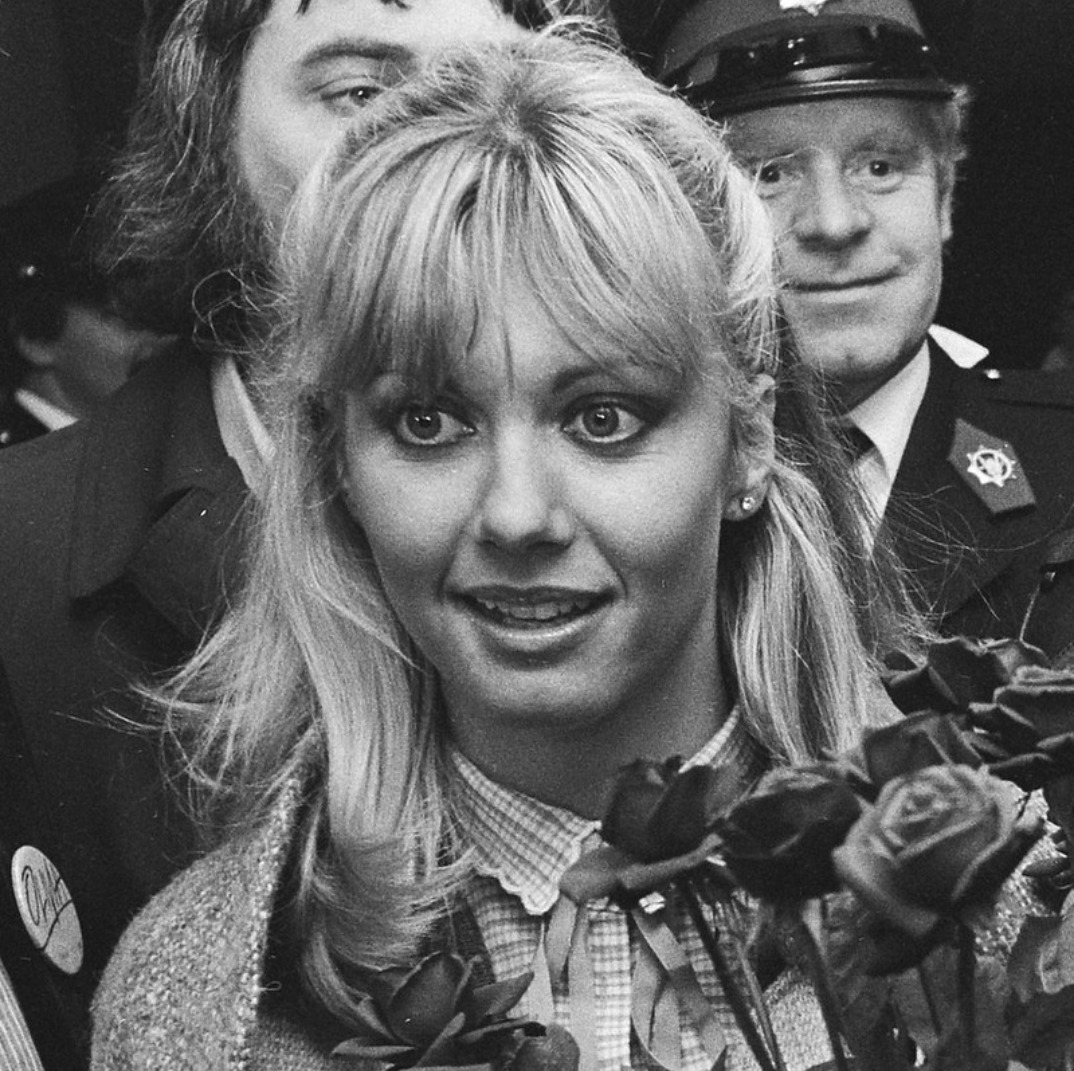
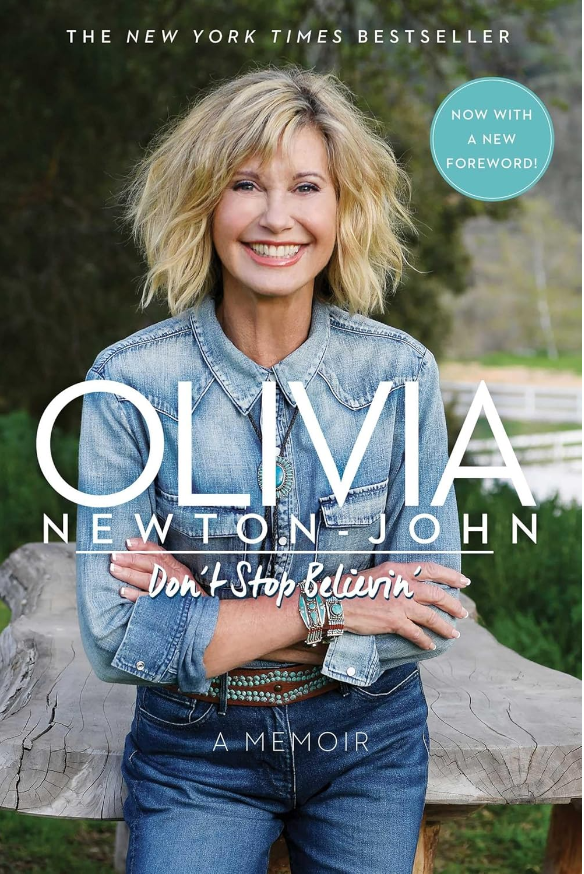
The book’s final chapter describes Mason’s lifelong friendship with Olivia Newton-John, probably his favorite client. Olivia trusted Mason implicitly to handle any problems she encountered (some of which resulted in extensive litigation). She sent his kids birthday presents every year. Mason describes how John Travolta helped her get her role in Grease, in part by insisting that all the “high school students” in the movie be portrayed by older actors, so Olivia’s age wouldn’t be as big a distraction. Olivia also agonized over whether to record and perform her biggest hit, “Physical,” because the lyrics were at odds with her carefully nurtured image. He encouraged her to do so, saying she could blame him if the song was a flop. The close relationship between Olivia and Mason continued until her death. His description of his last visit weeks before her death was especially poignant.
Crazy Lucky needed better editing. The book suffers from some repetition from chapter to chapter, and the author drops too many names that those not in the music industry won’t be familiar with. At its best, however, when Mason describes his special clients, the book combines triumph and tragedy and humanizes several performers who had merely been names to me. I may have appreciated the book’s discussion of legal points more than many will. However, the author avoids getting overly technical, so lay readers should have no trouble following his comments. Celebrity fans, especially those who follow the music industry, will count themselves lucky to read this book.
NOTE: The publisher graciously provided me with a copy of this book through NetGalley. However, the decision to review the book and the contents of this review are entirely my own.
In this clip, author John Mason discusses Crazy Lucky with Chris Keaton on the Random Acts podcast:
Read other reviews of Crazy Lucky:
John Mason is an entertainment attorney with a career spanning decades in film, television, and music law. He received a J.D. with Highest Honors from UC Berkeley in 1971. At Berkeley, he served as Managing Editor of the California Law Review, Associate Editor of Ecology Law Quarterly, and author of two law review articles.
Mason began his career at the entertainment law firm Kaplan, Livingston, Goodwin, Berkowitz & Selvin, where he represented Academy Award winners and handled major television deals. In 1978, he established his own practice, where he has continued to represent some of the biggest names in entertainment. He has worked with six Oscar winners and artists whose record sales exceed 100 million units. Mason's contributions to entertainment law have earned him recognition as Billboard Magazine’s "Entertainment Lawyer of the Year." His expertise has been highlighted in The Los Angeles Times, American Lawyer, Los Angeles Magazine, The Wall Street Journal, The Hollywood Reporter, and other leading publications. In 2000, President George W. Bush appointed him to the President’s Committee on the Arts and Humanities.
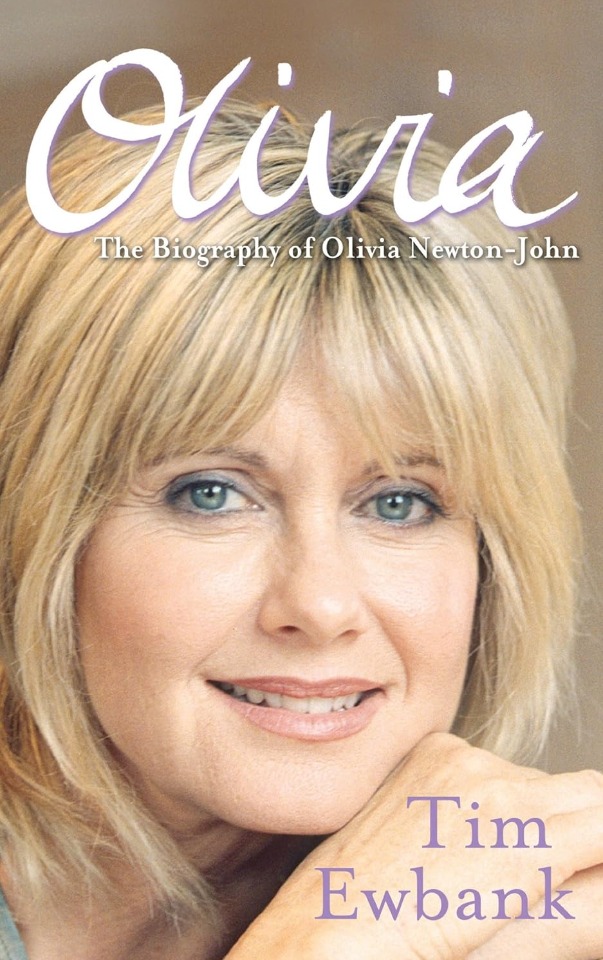
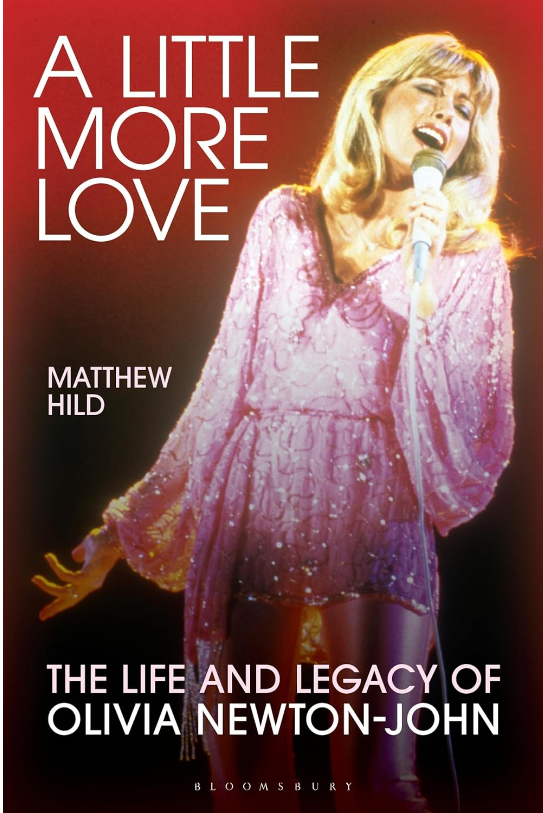
Read books about Olivia Newton-John on Amazon:
Header Photo: "Riot Radio" by Arielle Calderon / Flickr / CC By / Cropped
Silver Screen Video Banner Photos: pedrojperez / Morguefile; wintersixfour / Morguefile
Join Button: "Film Element" by Stockphotosforfree
Twitter Icon: "Twitter Icon" by Freepik
Facebook Icon: "Facebook Icon" by Freepik
LinkedIn Icon: "LinkedIn Icon" by Fathema Khanom / Freepik
Goodreads Icon: "Letter G Icon" by arnikahossain / Freepik
Olivia Newton-John: "Rest in Peace Olivia Newton-John (1948-2022)" by Dunk / Flickr / Public Domain
Certain images on this site appear courtesy of Amazon.com and other sponsors of Silver Screen Videos for the purpose of advertising products on those sites. Silver Screen Videos earns commissions from purchases on those sites.
© 2025 Steven R. Silver. All rights reserved.
