Silver Screen Library
Death at a Highland Wedding by Kelley Armstrong - Review

Follow Us:





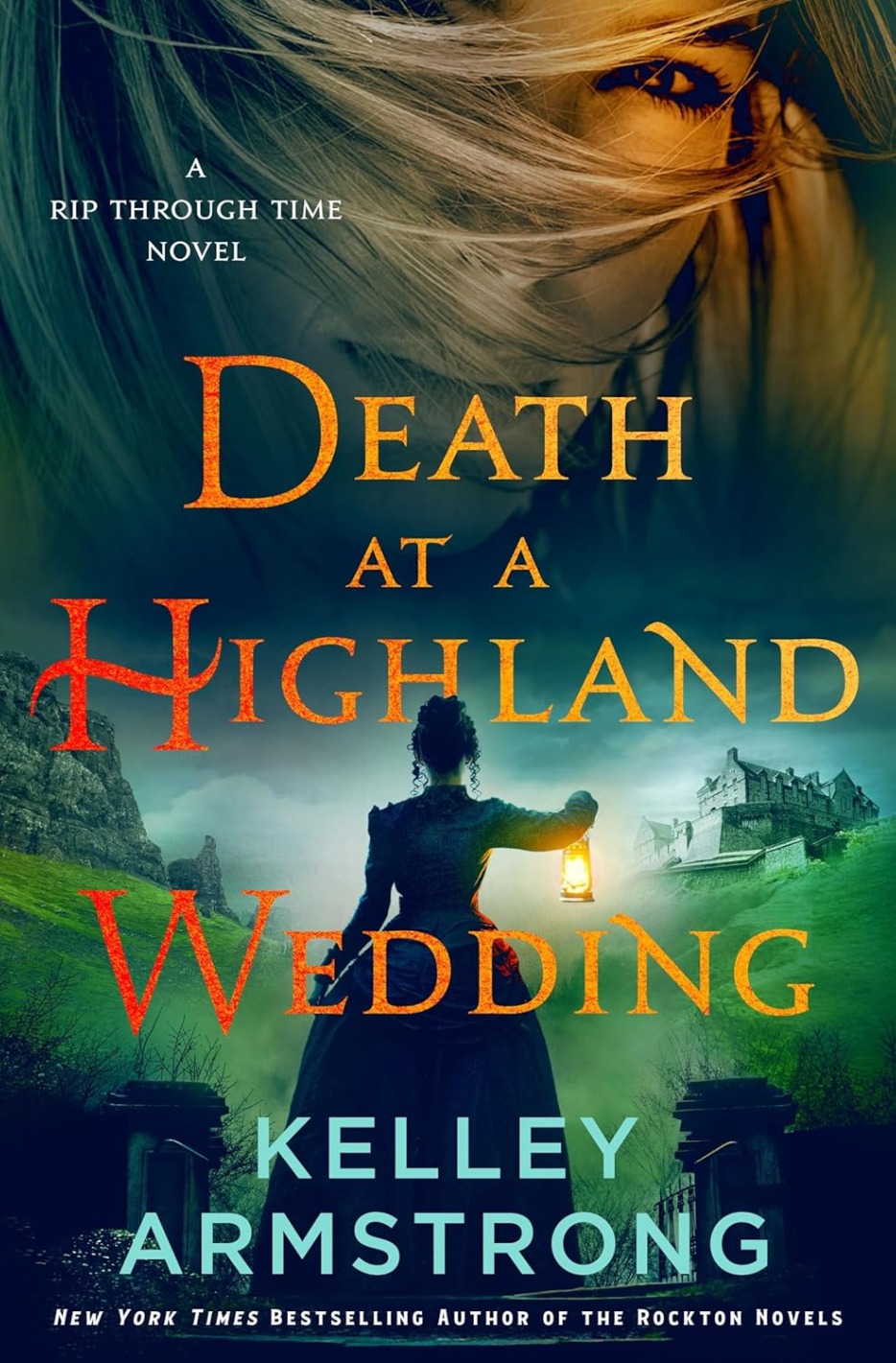
Although I enjoy time travel books in general, time travel romances rarely appeal to me. In these books, a modern-day heroine goes centuries into the past (often occupying another woman’s body) and gets involved with a hunky hero from that era. The Outlander novels are a prime example. However, author Kelley Armstrong, in her Rip in Time series, has put an interesting spin on the genre. Her heroine, Mallory Atkinson, travels back in time to 1870 Scotland, inhabiting the body of a maid in the household of hunky Dr. Duncan Gray. What makes this series unique is the fact that Mallory is a police detective and Duncan is a pioneer in criminal forensics. Twenty-first-century readers get an introduction to nineteenth-century forensics when Duncan and Mallory have to solve intriguing mysteries. The latest Rip in Time novel, Death at a Highland Wedding, has too much romance for my taste, but the central mystery is still enjoyable.
The author includes a brief, helpful introduction explaining the series's central time-travel premise. Duncan and a few others know who Mallory really is, and she has been "promoted" from housemaid to Duncan's assistant. As Death at a Highland
Wedding begins, Mallory and Duncan are en route to a remote locale with their friend, Edinburgh police detective Hugh Macreadie, to attend the wedding of Hugh’s younger sister to a wealthy landowner, Archie Cranston. Hugh has some conflicted emotions because Archie’s sister is also Hugh’s former fiancée (their engagement didn’t end well).
The wedding doesn’t go as planned because the best man is murdered shortly before the planned nuptials. The local constable in charge of the investigation is an inexperienced officer who got the job when his grandfather, the former constable, retired. In the finest tradition of mystery novels from 1870 to the present, the constable arrests Archie on flimsy, illogical grounds. It’s up to Duncan and Mallory to find the actual killer so the wedding can proceed.
Death at a Highland Wedding is a pretty good mystery. Mallory soon learns that almost everyone in the household was out on the estate grounds the night the best man was murdered. The murder weapon was a shillelagh from Archie’s collection that was readily available for anyone to use. Readers get to see Duncan perform a 19th-century autopsy and lift some fingerprints while Mallory interviews the various witnesses. The author doesn’t play entirely fair with readers, as the evidence against the killer isn’t clear-cut. Instead, in a bit of a copout, the murderer breaks down and confesses when confronted. However, readers won’t be entirely surprised when they learn the killer’s identity.
Although the author has hinted at a romance between Mallory and Duncan in previous volumes in this series, the characters themselves had done little to advance their relationship. The romance heats up somewhat here, as Duncan begins a somewhat tentative courtship. It’s no torrid romp, but rather a somewhat tepid picnic outing. That courtship is bound by the social customs of the era, and the author contrasts their relationship with several others in the book. Besides Archie’s now-delayed marriage, Hugh is enamored of Duncan’s sister, Isla, who also went with the others to the wedding. (Although there aren’t very many characters in the book, the relationships among them may confuse readers who don’t pay attention.)
The last half of Death at a Highland Wedding has too much talk about propriety and marital customs of the era and too little detective work. I understand that the rules of courtship, marriage, and romance were different back then. However, I didn’t need Mallory’s frequent ruminations on the subject or her elaboration on semi-arranged marriages between wealthy men like Archie (who was still in his 30s) and women in their teens like his fiancée. I appreciated instead the book’s occasional action sequences, as when Mallory is menaced by the novel’s slimiest character. I also enjoyed the occasional bits of humor. Although Duncan, Hugh, and Isla know who she is, Mallory must maintain her cover with everyone else. (Actually, if Mallory were to tell people she was a woman from the future inhabiting the maid’s body, she’d be shipped off to an asylum quickly.) Once, Mallory lets slip that a yet-to-be-built bridge is going to collapse and has to do some quick covering up.
Death at a Highland Wedding is the second Kelley Armstrong Rip in Time novel I’ve read, and it’s a distinct step down from the earlier one. My relative indifference may result from my relative coolness towards romance novels in general or to this story’s overly talky nature and slower pace. Still, the book contains several mysterious occurrences that readers will enjoy figuring out. (The author eventually reveals all the details.) I’ve deliberately left my description of the storyline somewhat vague to avoid any spoilers.
I’m giving Death at a Highland Wedding a mild recommendation. Those who enjoy romance novels will appreciate the book more than I do. However, the author’s unusual version of a time travel story, complete with discussions of 19th-century forensics, was enjoyable. Now that this wedding party is over, I’m looking forward to the next adventure with Mallory, Duncan, and friends.
NOTE: The publisher graciously provided me with a copy of this book through NetGalley. However, the decision to review the book and the contents of this review are entirely my own.
In this clip, author Kelley Armstrong discusses her writing process on Extraordinary Women TV:
Read other reviews of Death at a Highland Wedding:
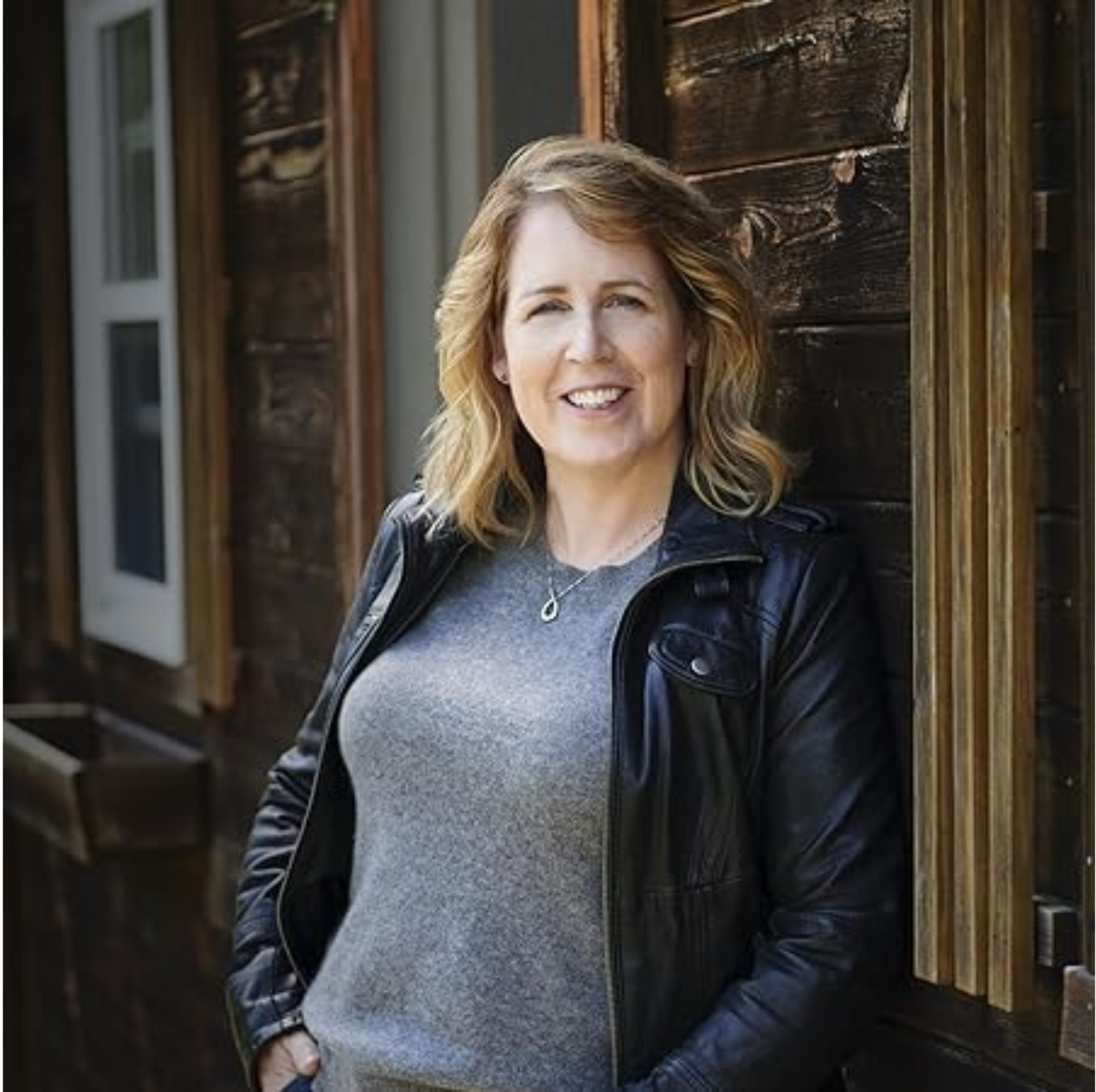
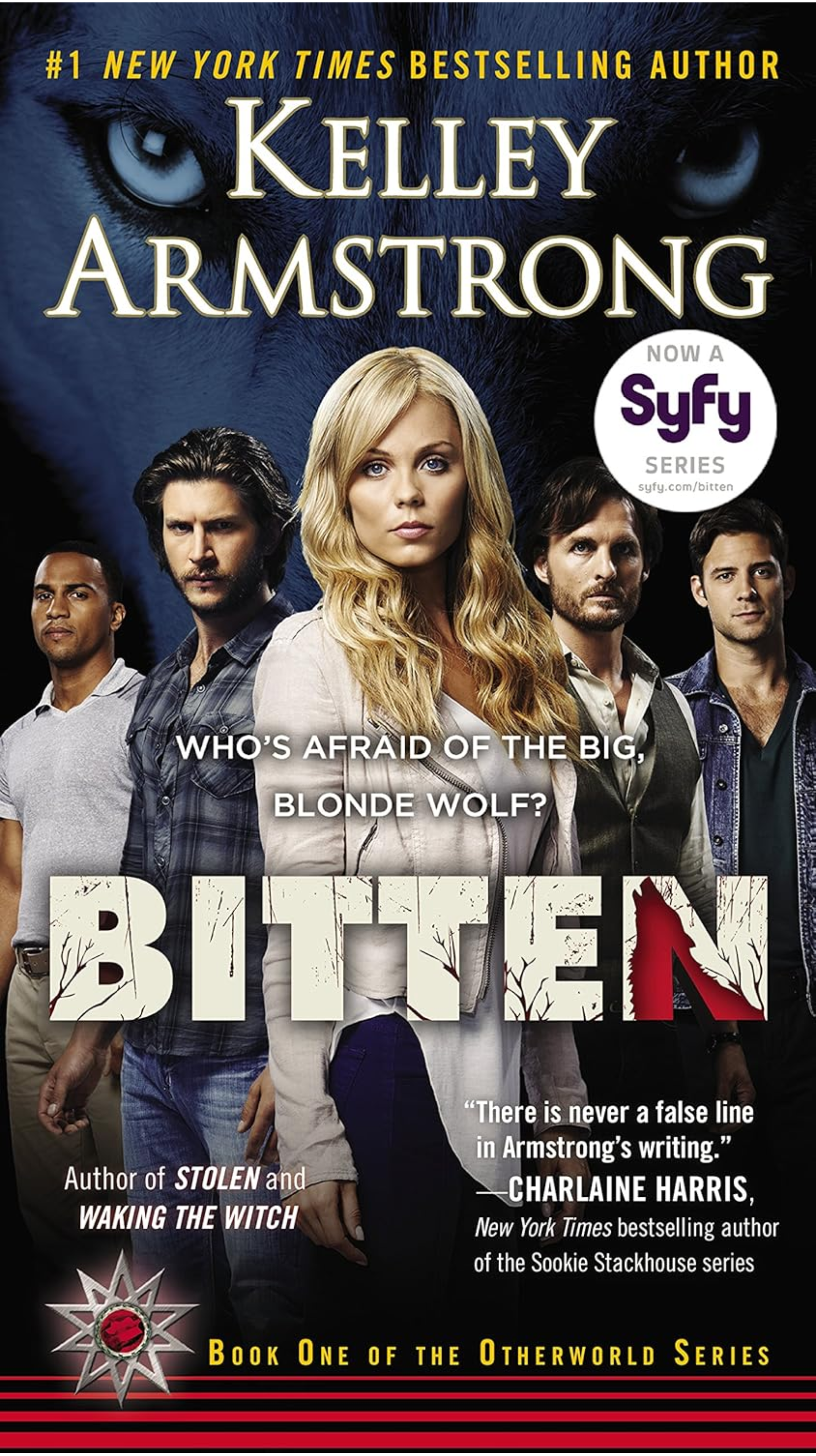
Kelley Armstrong is a Canadian writer, specializing in fantasy novels. Her works include 13 novels in her Women series, five in her Cainsville series, seven in her Rockton series, four in her Rip in Time series, three in her Haven's Rock series, three in her Darkest Powers series, three in her Darkness Rising trilogy, and three in the Age of Legends series. She has also published three middle-grade fantasy novels in the Blackwell Pages trilogy, with co-author Melissa Marr. Armstrong is also the author of three crime novels, the Nadia Stafford trilogy. Starting in 2014, a Canadian television series based on her Women of the Otherworld, called Bitten, aired for three seasons on Space and SyFy.
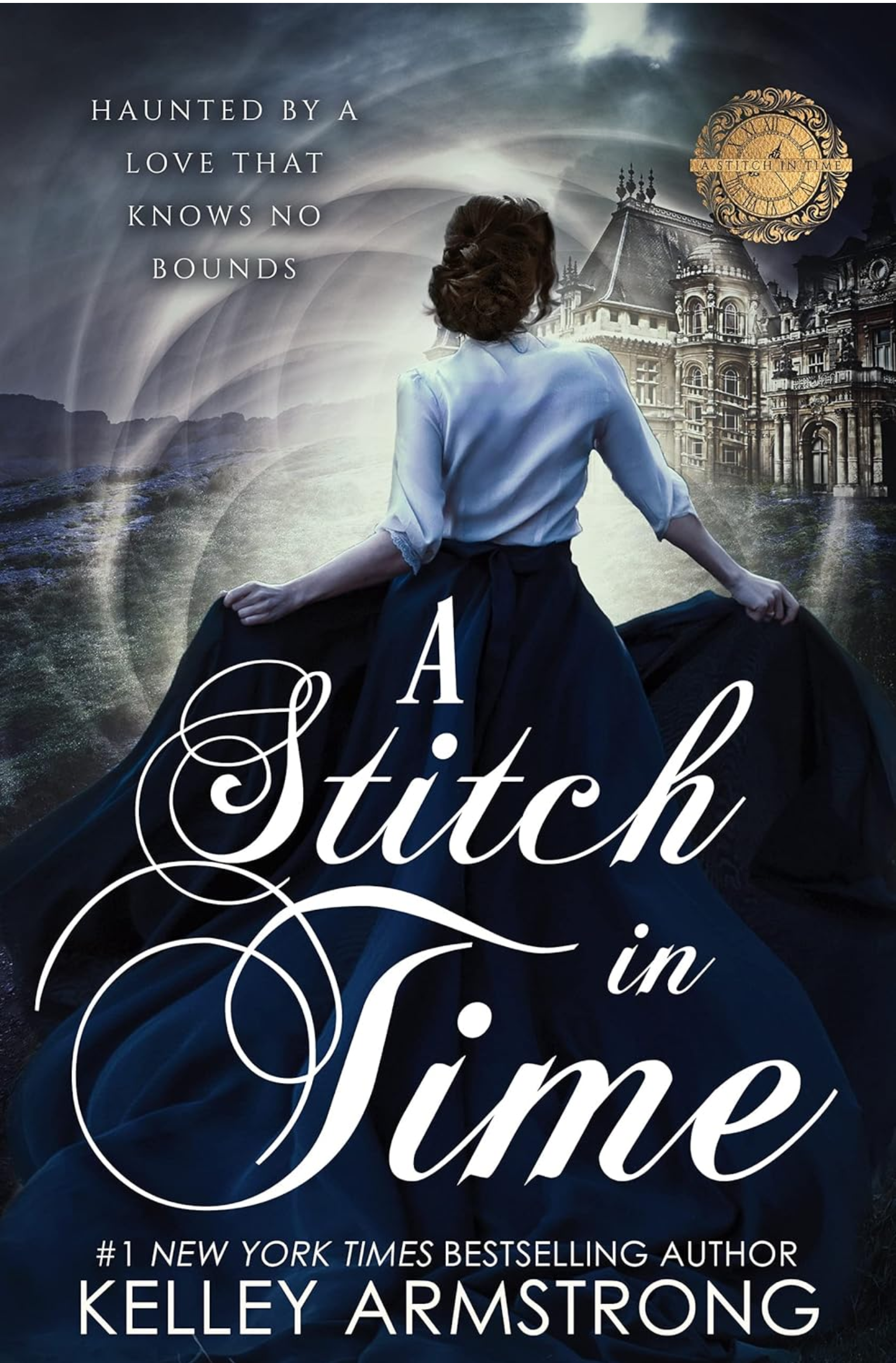
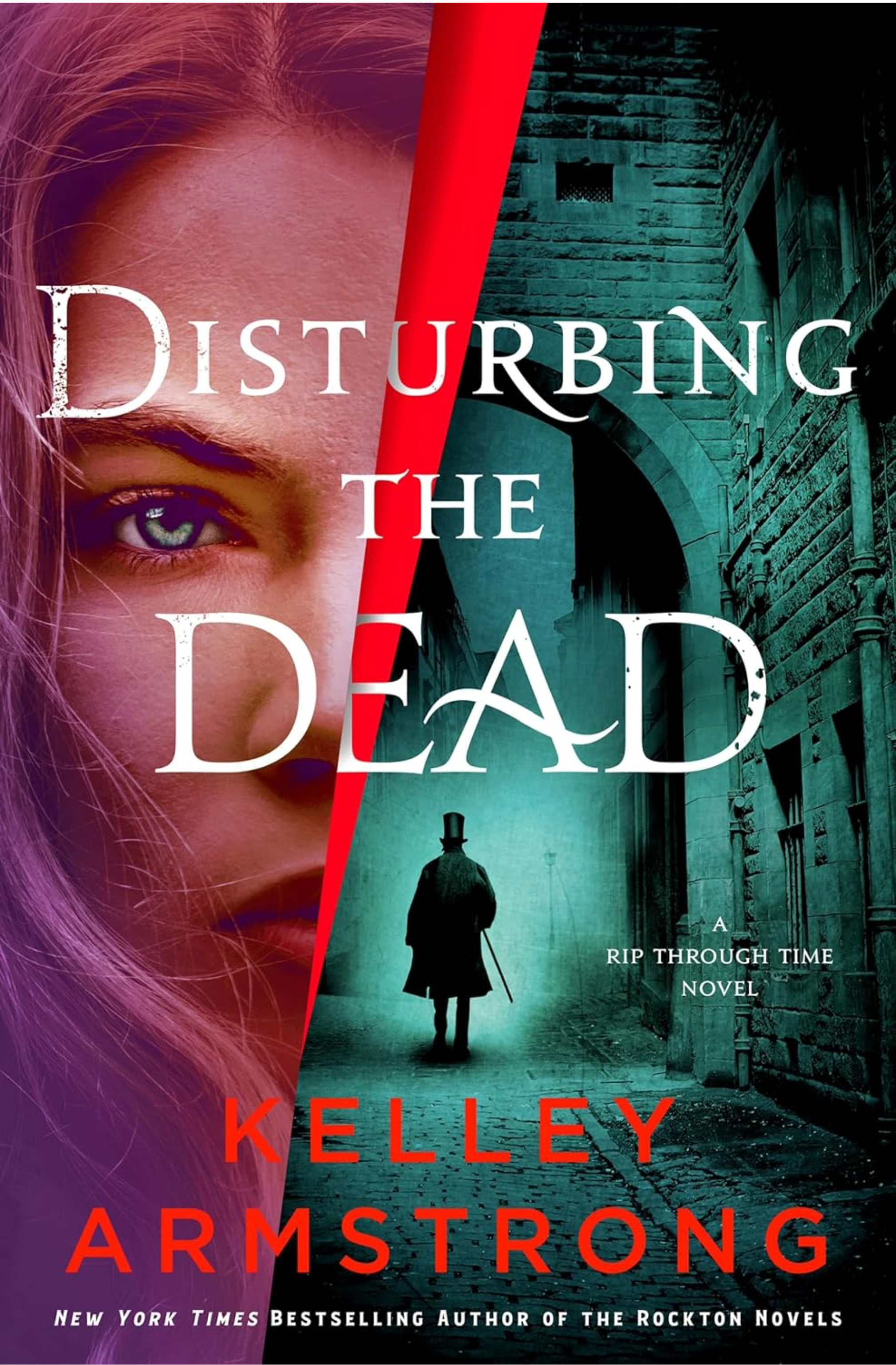
Buy Kelley Armstrong books on Amazon:
Header Photo: "Riot Radio" by Arielle Calderon / Flickr / CC By / Cropped
Silver Screen Video Banner Photos: pedrojperez / Morguefile; wintersixfour / Morguefile
Join Button: "Film Element" by Stockphotosforfree
Twitter Icon: "Twitter Icon" by Freepik
Facebook Icon: "Facebook Icon" by Freepik
LinkedIn Icon: "LinkedIn Icon" by Fathema Khanom / Freepik
Goodreads Icon: "Letter G Icon" by arnikahossain / Freepik
Certain images on this site appear courtesy of Amazon.com and other sponsors of Silver Screen Videos for the purpose of advertising products on those sites. Silver Screen Videos earns commissions from purchases on those sites.
© 2025 Steven R. Silver. All rights reserved.
