Silver Screen Library
Midnight Burning by Paul Levine - Review

Follow Us:





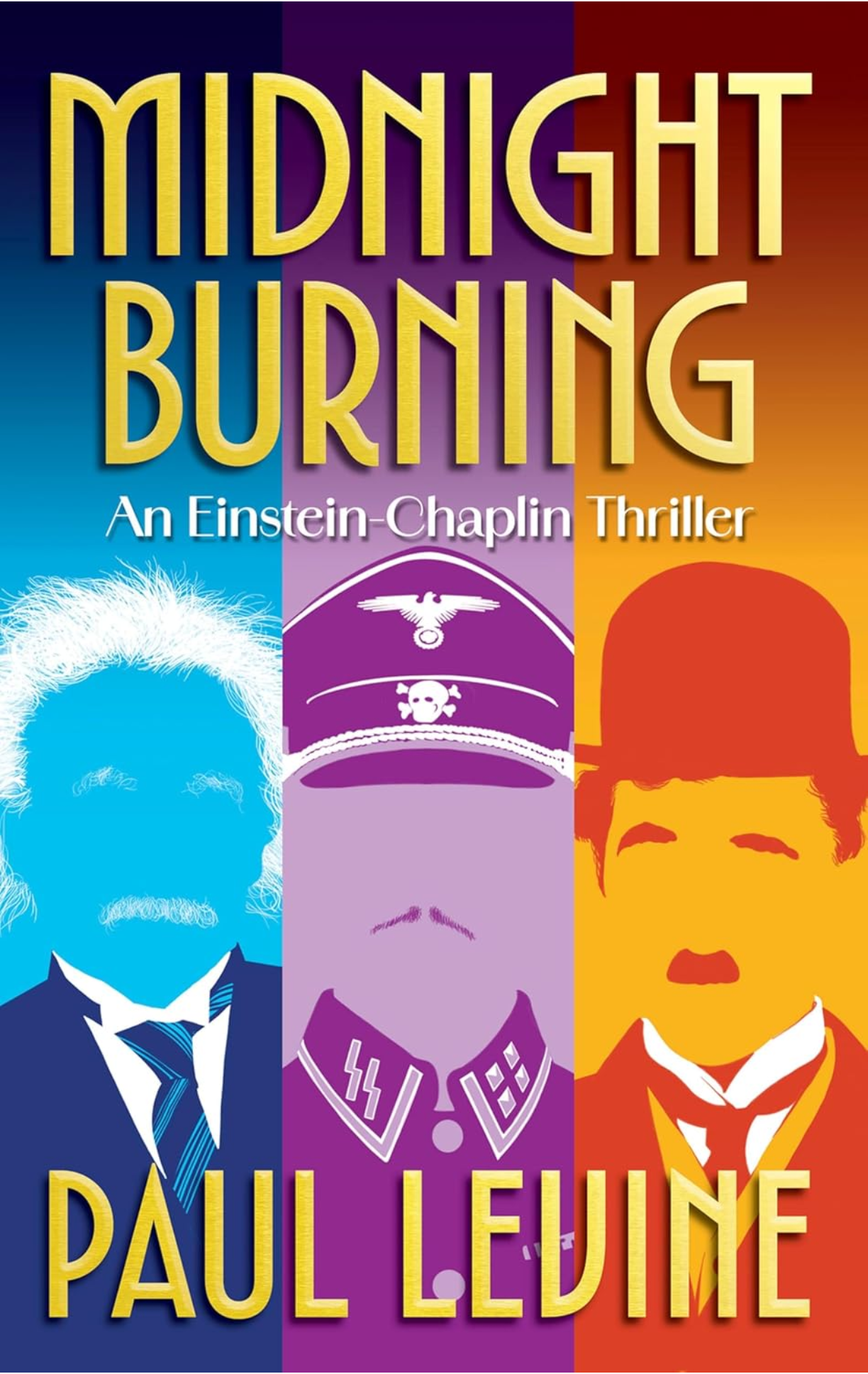
Many Americans today think that before Pearl Harbor, the United States was completely removed from the war in Europe and that the Nazis were a distinctly European phenomenon. That’s untrue, of course, but the full involvement of the Nazis in American life in the 1930s and early 40s surprises even some familiar with world history. The American movie industry, already centered in Hollywood, was a particular target of German efforts at subversion, control… and worse. The seldom-publicized true story of those Nazi efforts and how they were thwarted is fascinating, although sometimes prosaic. However, author Paul Levine ups the ante in Hollywood Burning by turning one particular deadly Nazi plot into a Hollywood-style thriller starring two unlikely heroes: Charlie Chaplin and Albert Einstein. As a thriller, Hollywood Burning is decent but flawed. As Levine transforms it into speculative historical fiction involving famous names, it’s often brilliant.
In the mid-1930s, America had several prominent pro-Nazi organizations that attracted little attention from the FBI, which was fixated on potential threats from equally prevalent Communist groups. The Nazis targeted the film industry, in large part because of the number of highly influential Jews who owned
major studios. They exerted economic pressure and threatened boycotts if anti-Nazi projects weren’t canceled or sanitized. However, their efforts went even further as they plotted actual violence. They wanted to assassinate a number of prominent, mostly Jewish, actors and other celebrities. While the full extent of their planning remains uncertain, the author turns the plans into an actual plot, code-named Operation Hollywood.
Midnight Burning details how Chaplin and Einstein learned about the Nazi plan and tried to stop it. The two men were real-life friends, and the author spends considerable time introducing readers to the pair’s usual way of life before getting into the details of the plot. This makes the book’s first few chapters somewhat slower going. The characters’ colloquial dialogue is a bit hard to follow at times as well. However, once Chaplin and Einstein become aware of Operation Hollywood, they go into action to stop it.
By “go into action,” I mean the phrase literally. Chaplin and Einstein attend a party at the German consulate in Los Angeles, an affair that takes up about one-quarter of the book. During the party, Chaplin climbs the scaffolding outside the building to gain access to the consulate offices and search for details of the plot. (Later, Einstein gets into the action as well.) The pair also butt heads at the party with the visiting Joseph Goebbels and Charles Lindbergh, who was a guest of honor.
This casual name-dropping of period celebrities is perhaps the most fascinating aspect of Midnight Burning. The author has done meticulous research on the period and various famous names, including Lindbergh, Douglas Fairbanks, and William Randolph Hearst. (A brief encounter between Hearst and an unknown Orson Welles is one of the funniest scenes in the book.) The result is a nearly seamless blend of fact and fiction. (The consulate party never took place, and Goebbels was not in America at the time.) At one point, Chaplin invites Einstein to attend a minor-league baseball game at Wrigley Field. Many readers (including me) will be surprised to learn that the Los Angeles minor league ballpark in the 1930s was named Wrigley Field (and was actually a year older than the more famous Chicago stadium of the same name).
The author also uses well-known historical events as a clever method of foreshadowing. Midnight Burning takes place in May 1937, which coincides with the impending arrival of the Hindenburg zeppelin on its initial trans-Atlantic voyage that year. (The book’s fictional version of Joseph Goebbels planned to take the Hindenburg to return to Germany.) As the airship approaches America, the Nazi characters view its arrival with increasing pride. Of course, those with a rudimentary knowledge of history know the disaster that occurred when the Hindenburg blew up on arrival in New Jersey. However, as they read Midnight Burning, readers will become increasingly curious about how the disaster will affect the story.
The final showdown turns Chaplin and Einstein into covert operatives, tracking the Nazi foot soldiers to their secret lair. This is one of the weaker sections of the story. The author is somewhat hindered because readers won’t accept turning a 60-year-old scientist into an early version of James Bond. To boost credibility, the author portrays the Nazis (who are members of an actual neo-Nazi paramilitary group of the era called the Silver Shirts) as somewhat dim-witted. Considering their willingness to buy into Nazi propaganda, that characterization isn’t too far-fetched. Still, the thriller aspects of the novel don’t work as well as the rest.
Midnight Burning provides readers with much insight into relatively obscure historical details. The Los Angeles Police Department of the era is riddled with racism and anti-Semitism, hindering actual investigations. (The book contains many racial and anti-Semitic slurs.) Also, as the author portrays the book’s events, Chaplin is inspired to create one of his masterpieces, The Great Dictator, as a result. Even more important for the world, the pacifist Einstein recognizes the need for the United States to develop an atomic weapon before Germany succeeds.
Author Paul Levine is better known for his contemporary legal thrillers, but he has done a great job in Midnight Burning creating a historical, speculative thriller. He incorporates many historical details into the story without turning it into a textbook. Further, his “mismatched buddy” pairing of Charlie Chaplin and Albert Einstein works. The traditional thriller elements of the story aren’t as successful, but readers will love the period detail and the entertaining chemistry between the lead characters. Many people will burn the midnight oil staying up to finish Midnight Burning.
NOTE: The publisher graciously provided me with a copy of this book through NetGalley. However, the decision to review the book and the contents of this review are entirely my own.
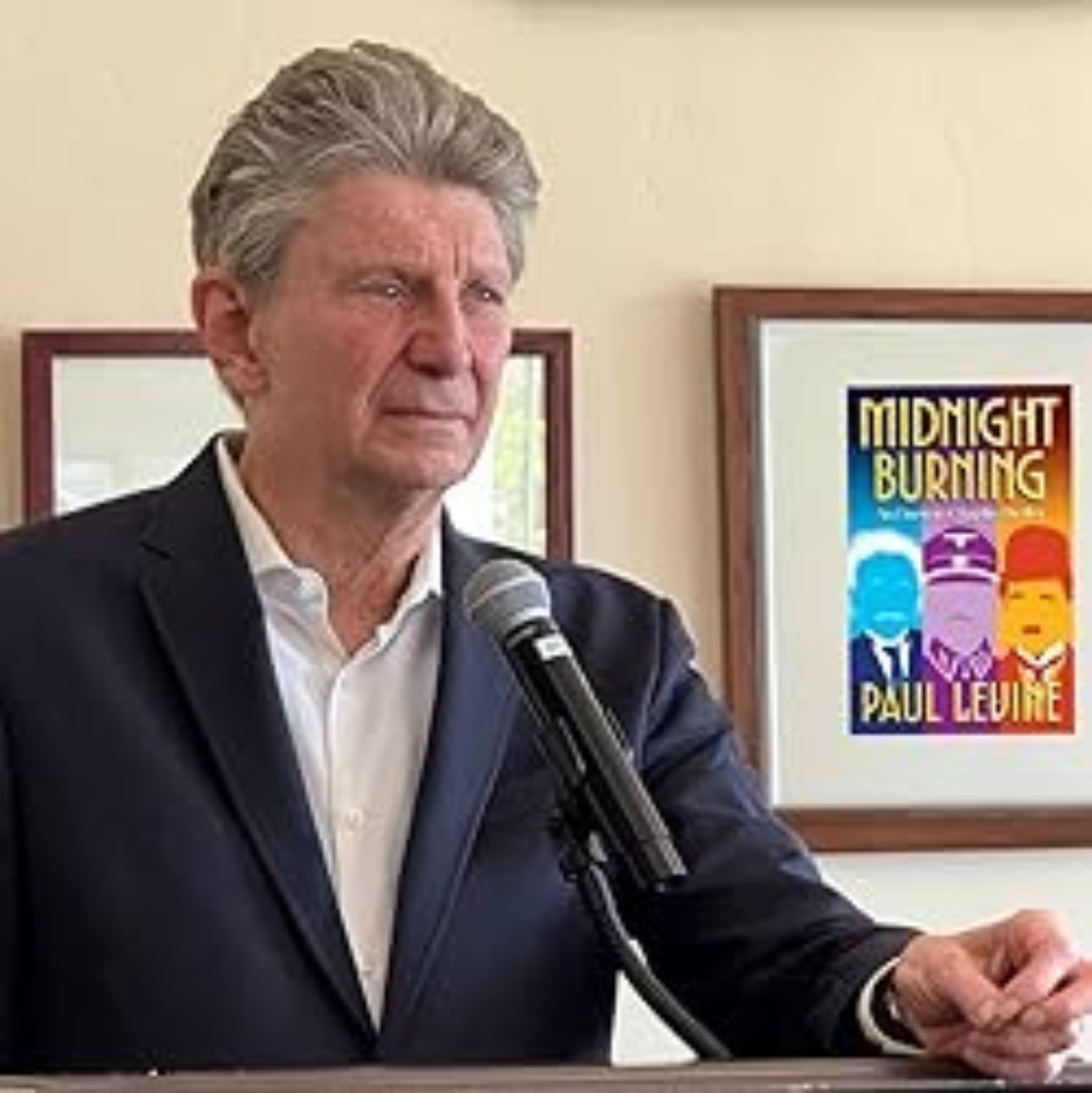
In this clip, author Paul Levine talks about Midnight Burning at Chaucer's Books in Santa Barbara, CA:
Read other reviews of Midnight Burning:
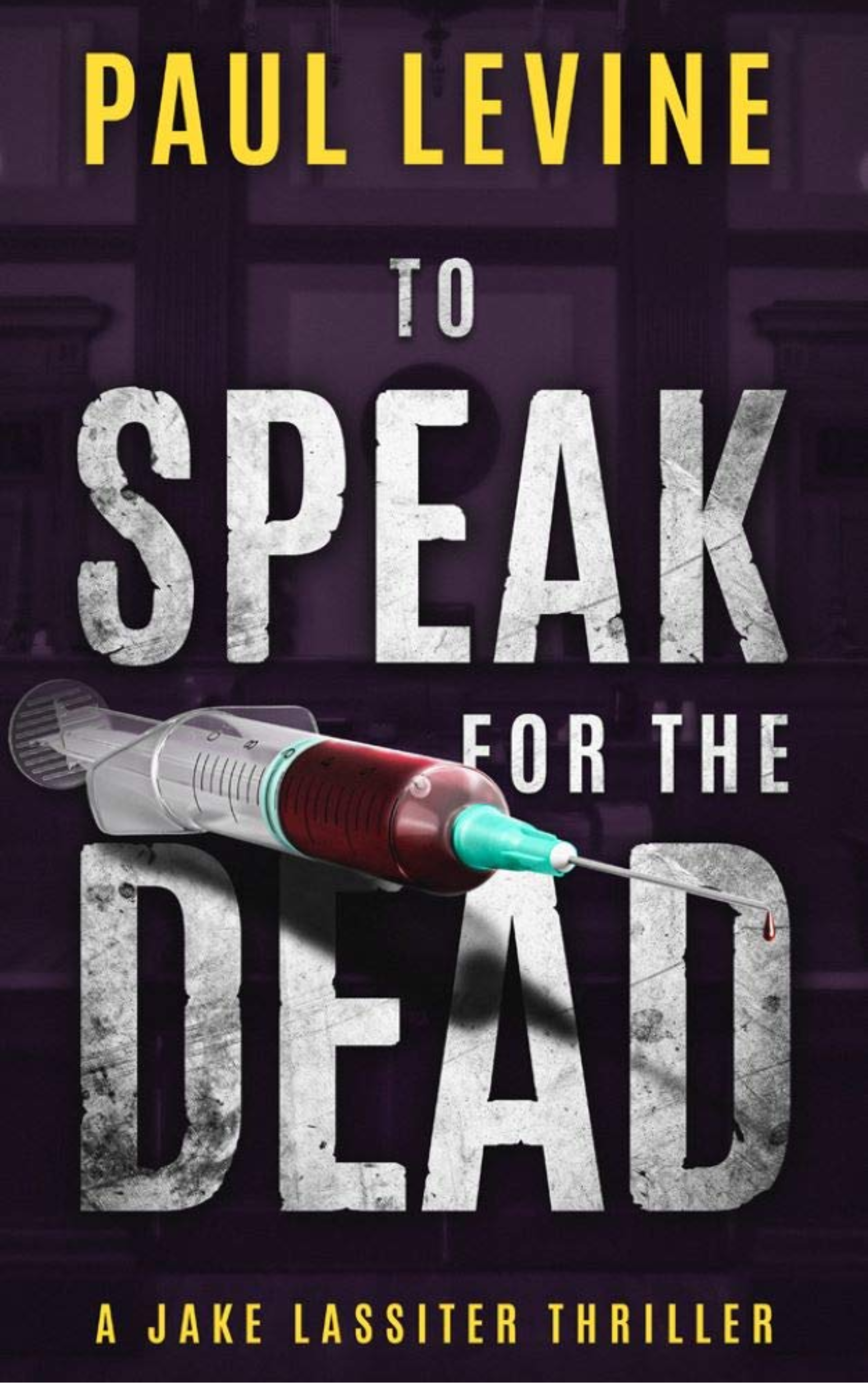
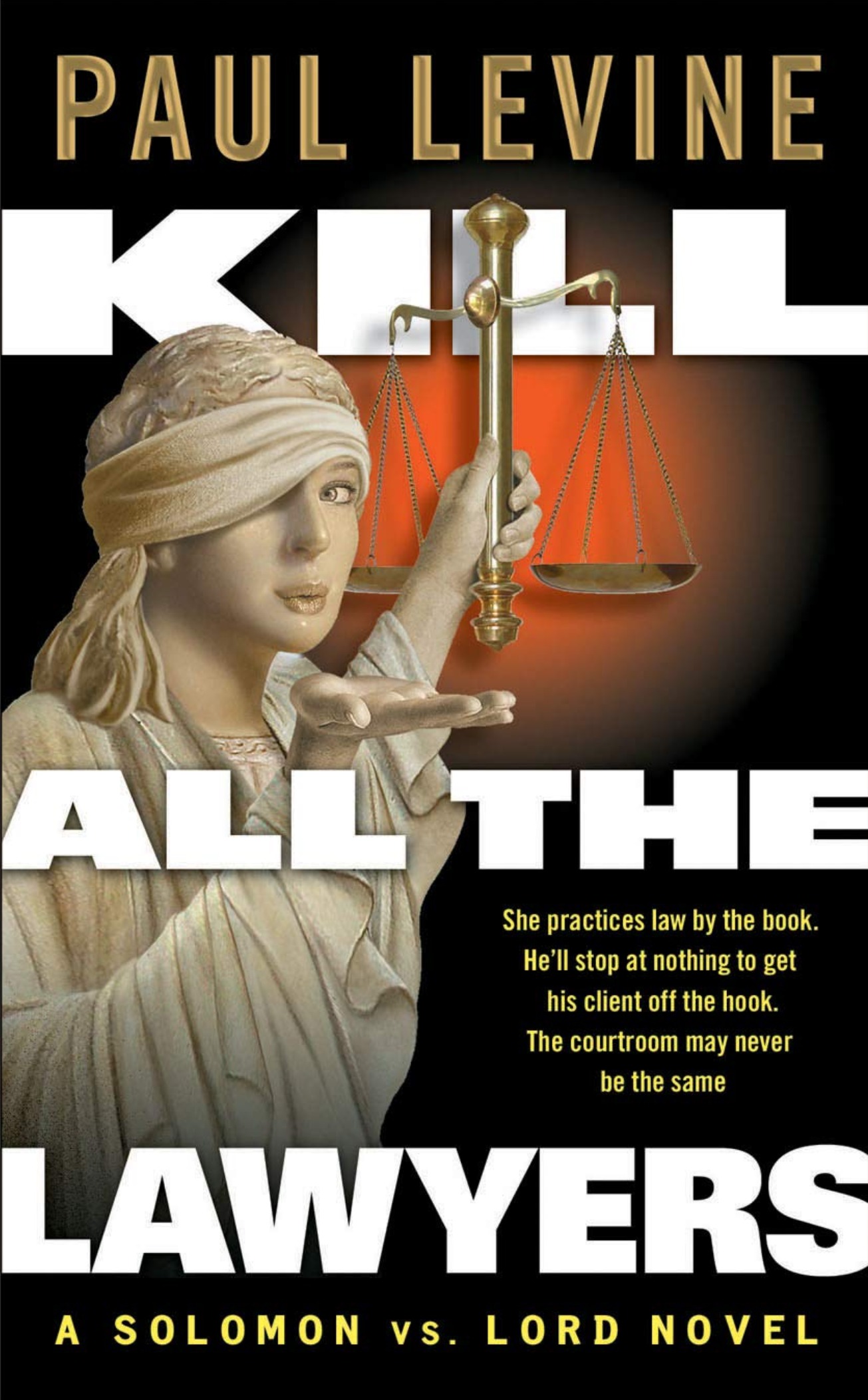
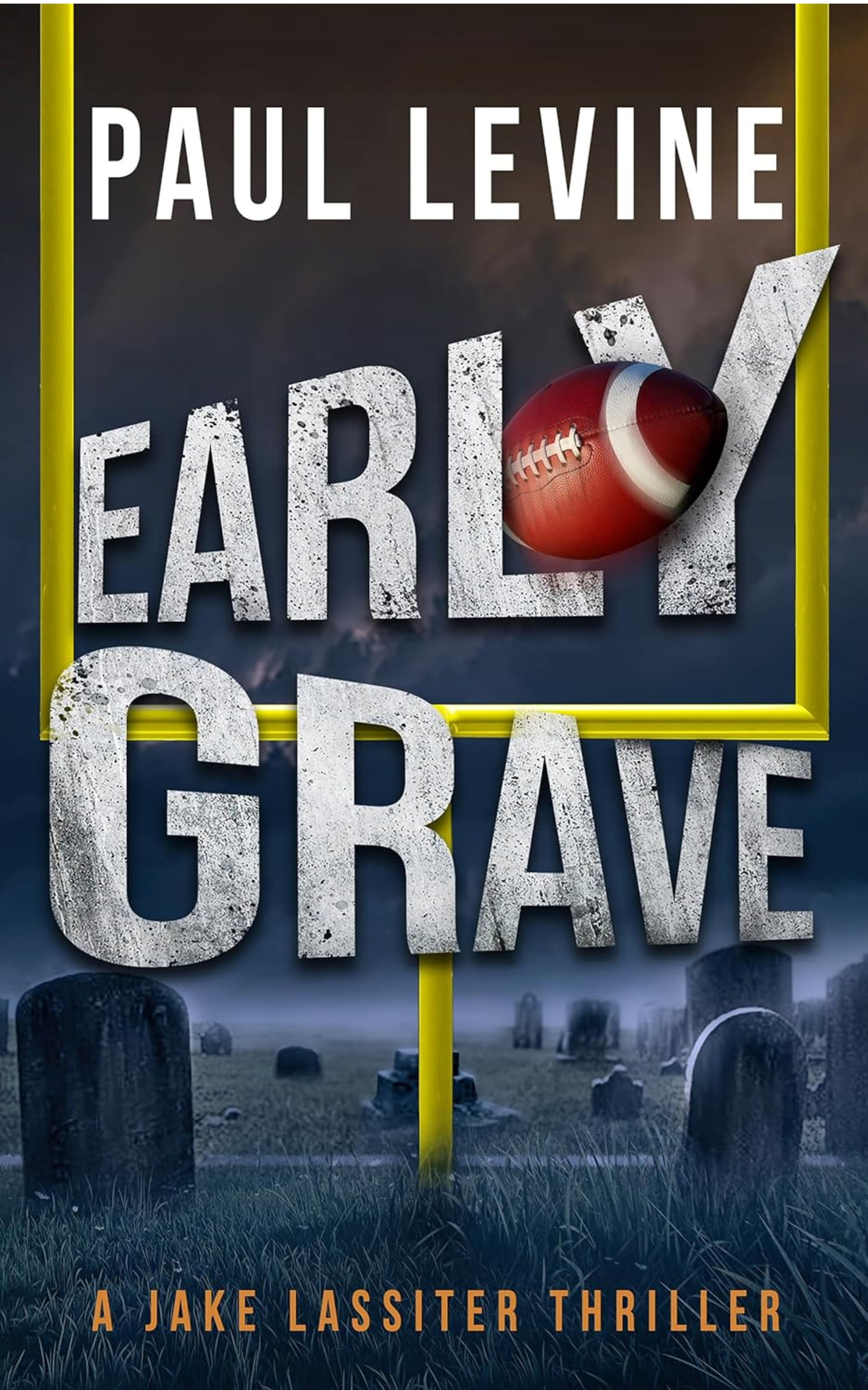
Paul Levine is the Edgar-nominated author of several thriller series, including the Jake Lassiter series about a Miami attorney. His most recent novel in the Lassiter series, Early Grave, was named the third best legal thriller of the 21st century by BestThrillers.com. Levine has also written the Solomon vs. Lord legal thriller series. A former trial lawyer, Levine wrote twenty episodes of the CBS drama JAG and co-created First Monday starring James Garner and Joe Mantegna. He is a winner of the John D. MacDonald Fiction Award and a nominee for the Edgar, Macavity, International Thriller, Shamus, and James Thurber prizes. Levine’s newest novel, Midnight Burning, opens the Einstein-Chaplin historical thrillers.
Buy other books by Paul Levine on Amazon:
Header Photo: "Riot Radio" by Arielle Calderon / Flickr / CC By / Cropped
Silver Screen Video Banner Photos: pedrojperez / Morguefile; wintersixfour / Morguefile
Join Button: "Film Element" by Stockphotosforfree
Twitter Icon: "Twitter Icon" by Freepik
Facebook Icon: "Facebook Icon" by Freepik
LinkedIn Icon: "LinkedIn Icon" by Fathema Khanom / Freepik
Goodreads Icon: "Letter G Icon" by arnikahossain / Freepik
Certain images on this site appear courtesy of Amazon.com and other sponsors of Silver Screen Videos for the purpose of advertising products on those sites. Silver Screen Videos earns commissions from purchases on those sites.
© 2026 Steven R. Silver. All rights reserved.
