Silver Screen Library
Mirage City by Lev AC Rosen - Review

Follow Us:






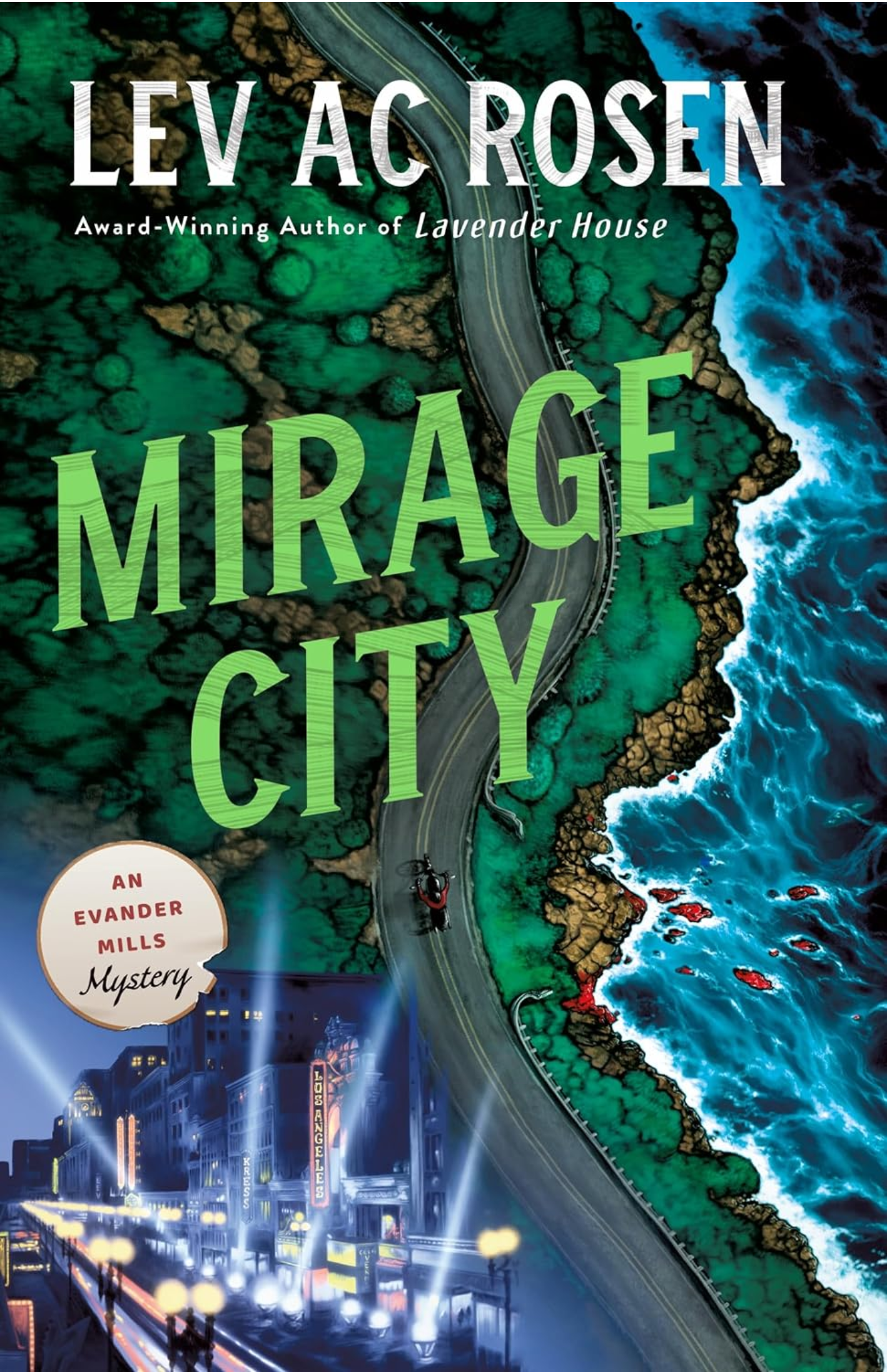
The chain-smoking, hard-drinking, hard-boiled private investigator of the 1940s and 50s has been a staple of detective fiction for decades. Philip Marlowe, Mike Hammer, Lew Archer, and a host of lesser-known imitators plied their trades in the noirish shadows of Los Angeles and San Francisco. One thing they all had in common was their upfront, at times overly macho heterosexuality. In their hardboiled world, homosexuality did not exist, and the only gay characters were infrequent, swishy bit players. Of course, gays were present, although not always obvious, in considerable numbers in that era, but they didn’t exist as hardboiled PIs as far as their creators were concerned. It’s a new century, however, and crime authors are now taking a more straightforward look at the closeted world of the 1950s. Author Lev AC Rosen has written a series of detective novels featuring Evander “Andy” Mills, an ex-cop turned PI who fits the usual period mold in every way except one: he’s gay. The latest Mill mystery, Mirage City, offers a rare and entertaining look at the era’s gay culture within the structure of a typical detective novel.
The author’s protagonist, Andy Mills, lives and works in an apartment and office above the Ruby, a drag bar in 1953 San
Francisco. His partner is Gene, a bartender at the Ruby, and many of the bar’s dancers and patrons are his friends. Andy was a police detective before he was outed when he was caught during a raid at a gay bar. Now, he ekes out a living arranging cover marriages for closeted gays and lesbians and trying to help extortion victims get out of trouble. Andy’s latest case is standard fare for most PIs, but somewhat unusual for him. A woman named Myrtle Bolton walks into the Ruby one day and hires Andy to find three missing people. Myrtle and the missing people were members of the Mattachine Society, and they had stopped coming to meetings recently without any explanation.
The name “Mattachine Society” is probably unfamiliar to most readers of Mirage City, gay or straight. The society was one of the earliest national gay rights organizations in the country, founded in 1950. When Mirage City takes place, the society is undergoing a major split between those members who merely want to blend into straight society and those who want to be more confrontational about their lifestyles. This philosophical split is a significant plot point in the book, as Andy attends various society meetings in both San Francisco and Los Angeles (where the missing members may have gone).
The Mattachine Society also illustrates my major source of enjoyment with Mirage City. Although I knew in general terms the career and physical dangers gays endured in that period, the novel brings those threats home in concrete terms. Similarly, I had heard of the Mattachine Society, but did not know its history or purpose. Mirage City was extremely educational about these and other aspects of gay life of the era. Moreover, the book presents its information organically as part of the storyline, rather than as clunky information dumps. Similarly, at one party, Andy learns that one of the missing men worked for the notorious Hollywood studio fixer Eddie Mannix. I knew a lot about Mannix previously, but many other readers probably didn’t. They get an excellent introduction here, along with a liberal sprinkling of Hollywood celebrity first names like Cary, Marlene, Kate, and Spencer.
The actual mystery in Mirage City is passable but not exceptional. Change a few details, and the plot could describe dozens of detective novels featuring straight characters. Andy’s investigation also leads to the apparent overdose death of a secondary character. (Anyone who has ever read a detective novel knows that “apparent” overdoses are rarely accidental.) Andy also encounters a gay motorcycle club, and a closeted cop who has been more successful than Andy at keeping his sexual identity secret.
However, the most shocking aspect of Andy’s investigation leads him to a private mental health clinic that practices what we refer to today as “conversion therapy.” The patients are all gay men receiving “treatment” to “cure” them of their homosexuality. Andy witnesses one session, and it’s the most disgusting scene in the book, even for readers who have a good idea in advance what sort of treatment the patient will receive. (Similar clinics still exist in some states, although the procedures they employ are slightly less barbaric than what Andy witnessed.) Like several other sequences in the book, the description of the conversion clinic will be a revelation for many readers.
On a more personal but equally emotional note, Andy meets his mother in Los Angeles. He hadn’t seen her in several years, and she didn’t know he was gay. She’s a nurse who, in one of those unlikely coincidences that rarely happen in real life but often in fiction, works at the clinic Andy eventually investigates. Andy wrestles with whether and how to reveal his sexuality to his mother, especially after she hears him talking to Gene and assumes Gene is his girlfriend. Andy’s conflict with his mother emphasizes another aspect of gay life that was undoubtedly more traumatic in the 1950s than today.
Although the author does an excellent job of giving readers insight into the era’s gay lifestyle, the more mundane aspects of the storytelling are less successful. Andy attends several parties and interacts with various members of the Mattachine Society. I had considerable difficulty figuring out who was who after each meeting. The book has a major action sequence involving the conversion clinic that was poorly described. Again, I couldn’t tell exactly what happened during what should have been the book’s climax. Most puzzling of all, when Myrtle hired Andy, she expressed primary concern for Daphne, the woman who disappeared, and less concern for the two men (leading me to believe she and Daphne had a relationship). However, when Andy arrives in Los Angeles, Daphne becomes a mere plot footnote, with all the emphasis on what happened to the two missing men.
Despite some clumsy exposition at times, Mirage City is a fascinating and informative book. I’ve read a lot of better detective stories, but I had never previously encountered a hardboiled tale (or any story, for that matter) about gay life in the 1950s. The author obviously did considerable research on the subject matter, and the result is a history that doesn’t feel like an educational text. The book was compelling reading, not because I was eager to find out what happened to the missing men, but because I wanted the author to give me more details about the period. Thankfully, the author obliged. Mirage City is no mirage; it’s a powerful look at a hitherto unknown period of American life within the familiar confines of the hardboiled detective novel.
NOTE: The publisher graciously provided me with a copy of this book through NetGalley. However, the decision to review the book and the contents of this review are entirely my own.
In this clip, author Lev AC Rosen discusses Mirage City with Dan White on the Out with Dan podcast:
Read other reviews of Mirage City:
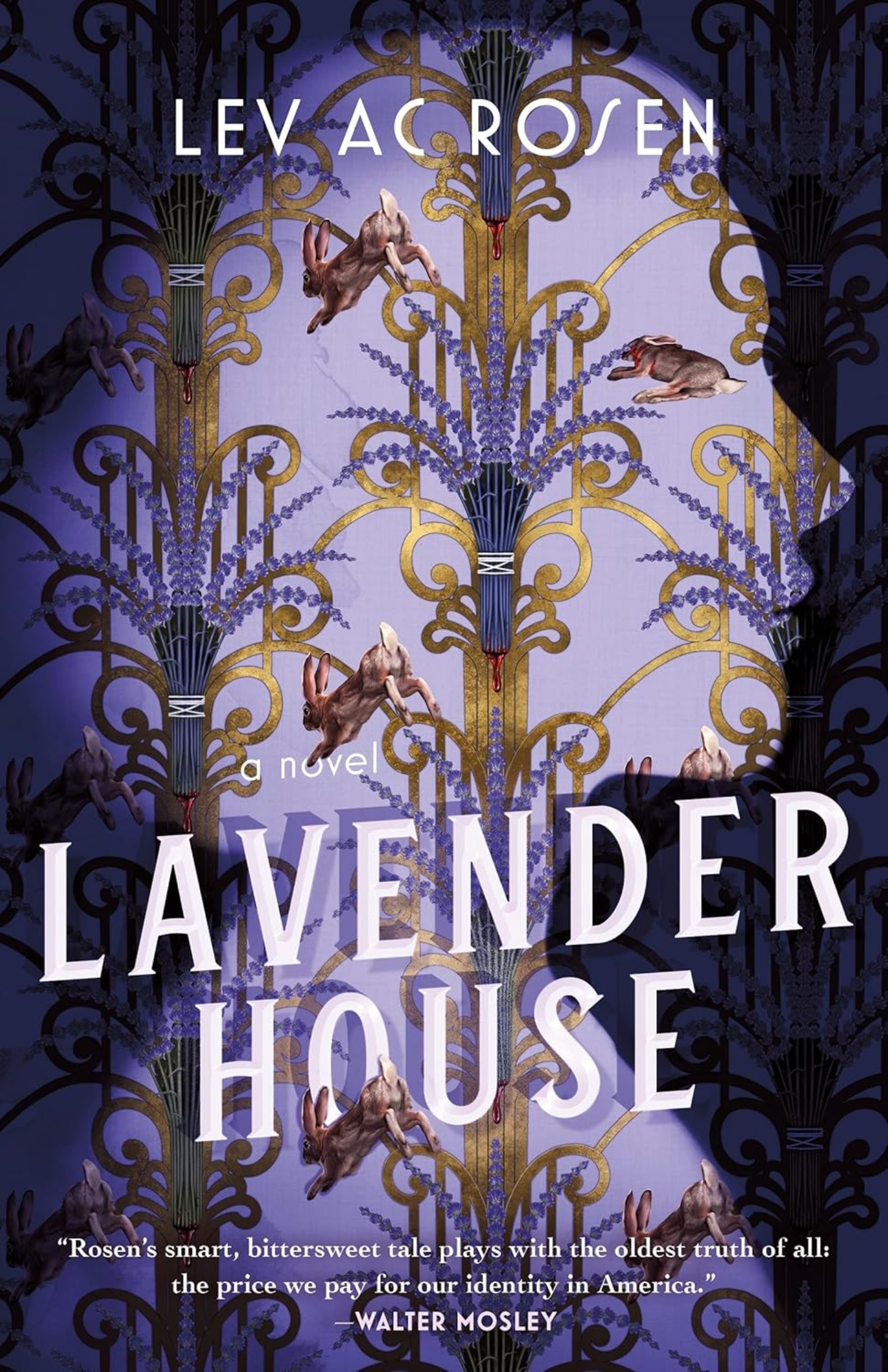
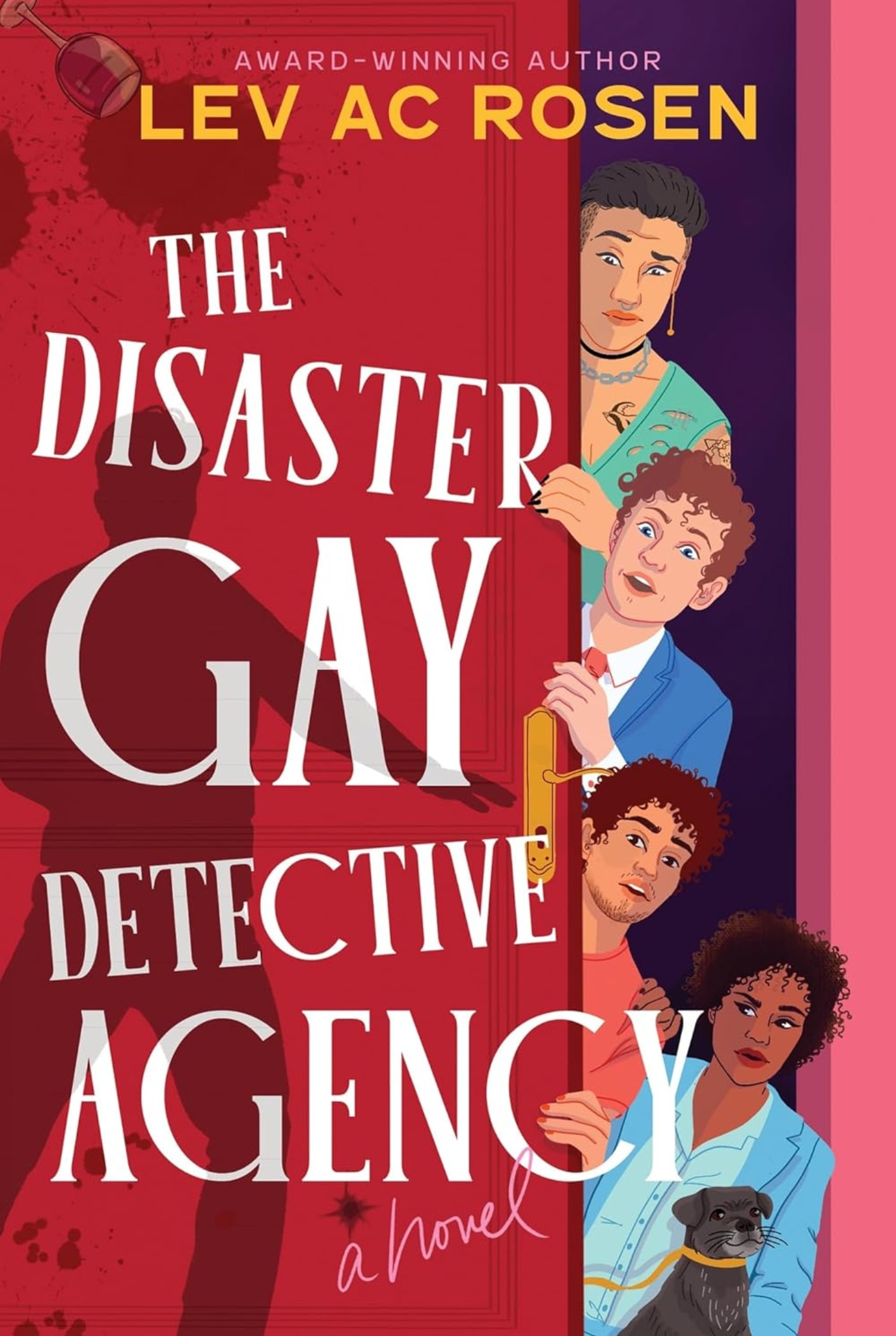
Lev AC Rosen is the bestselling, award-winning author of books for people of all ages. His most recent book is The Disaster Gay Detective Agency. Previous books include the Evander Mills detective series, which began with Lavender House (Macavity Award Winner, Anthony finalist, Lambda finalist, Best Book of the Year from Buzzfeed, Library Journal, Amazon, and Bookpage) and continued with The Bell in the Fog, (Best Book of the year from Amazon, CrimeReads and Autostraddle), Rough Pages (Lambda, Joseph Hansen and Audie Award Finalist) and Mirage City (Joseph Hansen Award winner, Lambda Award finalist, Shamus Award finalist).
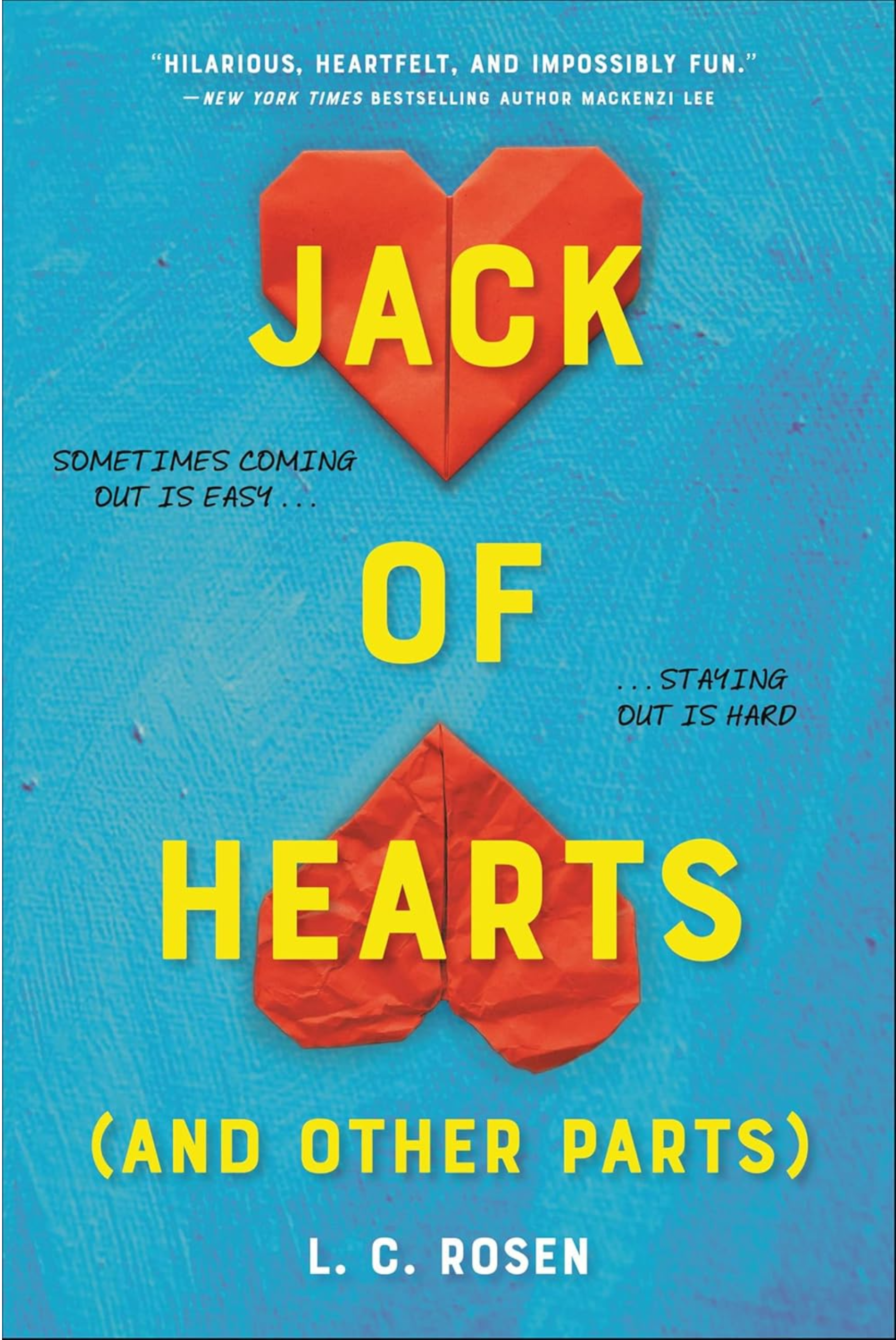
Rosen’s recent YA novels include You’ve Goth My Heart, Emmett (Best Book of the year from Kirkus and Amazon), Lion’s Legacy , and its sequel, King’s Legacy, and Camp (A Kirkus Best Book of the Century). His previous novels include: All Men of Genius, Depth (Shamus Award Finalist), Woundabout, The Memory Wall ,and Jack of Hearts (and other parts).
Buy other books by Lev AC Rosen on Amazon:
Header Photo: "Riot Radio" by Arielle Calderon / Flickr / CC By / Cropped
Silver Screen Video Banner Photos: pedrojperez / Morguefile; wintersixfour / Morguefile
Join Button: "Film Element" by Stockphotosforfree
Twitter Icon: "Twitter Icon" by Freepik
Facebook Icon: "Facebook Icon" by Freepik
LinkedIn Icon: "LinkedIn Icon" by Fathema Khanom / Freepik
Goodreads Icon: "Letter G Icon" by arnikahossain / Freepik
Certain images on this site appear courtesy of Amazon.com and other sponsors of Silver Screen Videos for the purpose of advertising products on those sites. Silver Screen Videos earns commissions from purchases on those sites.
© 2026 Steven R. Silver. All rights reserved.
