Silver Screen Library
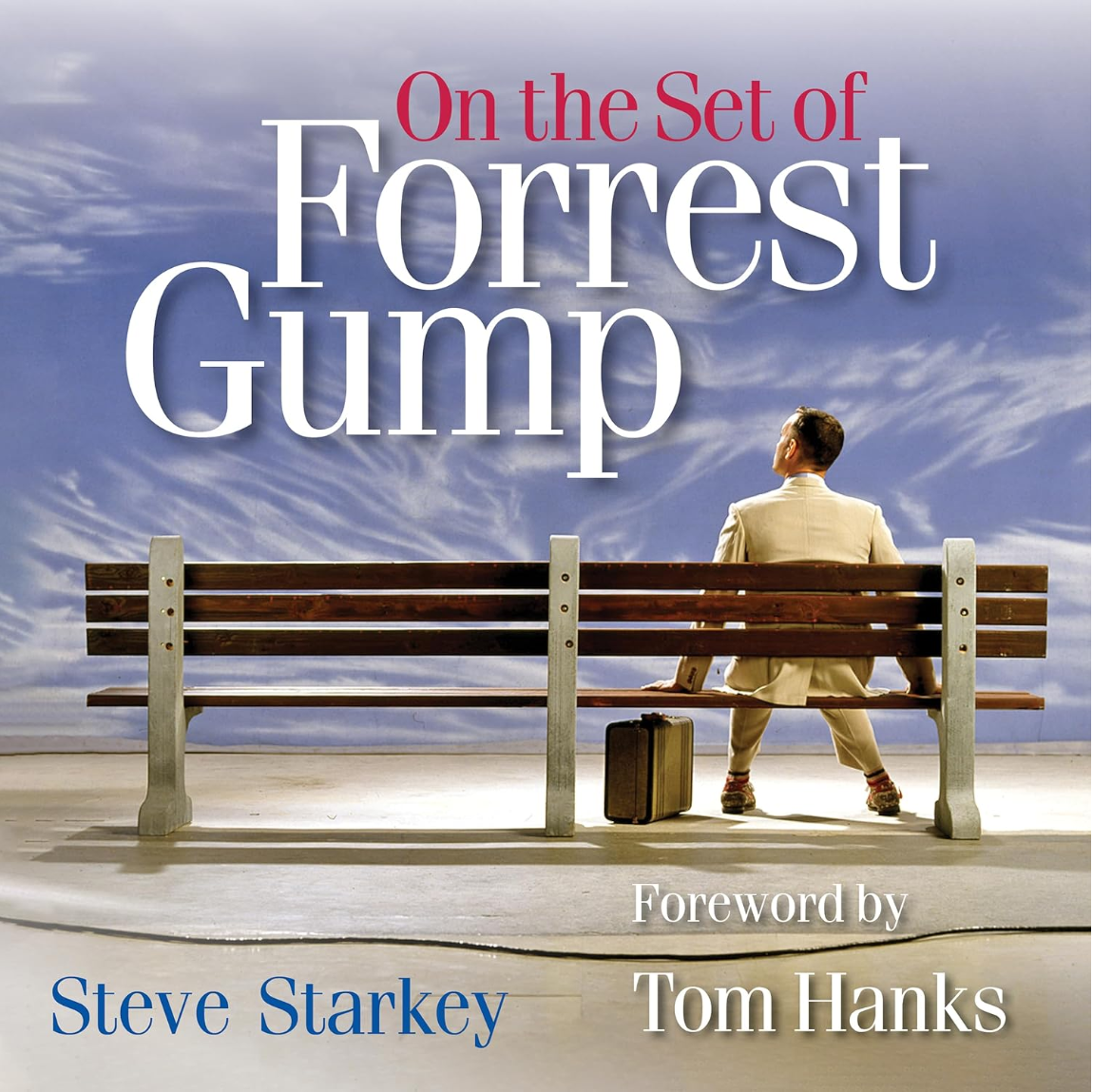
On the Set of Forrest Gump by Steve Starkey - Review

Follow Us:





“Life is like a box of chocolates; you never know what you’re gonna get.”
That line is one of the most memorable in cinema history, the catchphrase of one of the most beloved and honored films of the 1990s. Forrest Gump won six Oscars, including Best Picture, Best Director (Robert Zemeckis), and Best Actor (Tom Hanks), and grossed over $678 million worldwide at the box office (the second-highest-grossing film of 1994). Making the film proved quite a challenge, as second-unit director Steve Starkey describes in his detailed behind-the-scenes look at the movie’s production, On the Set of Forrest Gump.
Despite the film’s universal popularity and acclaim, Forrest Gump almost didn’t make it to the big screen. The property passed from one studio to another before winding up at Paramount. Producers Steve Tisch and Wendy Finerman persuaded Paramount to greenlight the project once Zemeckis and Hanks were on board. Making the film proved challenging, as Starkey relates. Before shooting began, he made location scouting trips to find where various scenes could be shot and, almost as important, how much they would cost. Beaufort, SC, proved to be an excellent location, with Gump’s boyhood scenes
filmed near there. Starkey couldn’t find a suitable house to use as Forrest’s childhood home, so the crew later built a house from scratch. Also, the Low Country Swamp near Beaufort served as the location for the Vietnam and shrimp boat scenes. (The iconic park bench is located in Savannah, GA, however.)
Starkey and his team used his research to put together a budget and a shooting schedule, both of which the studio approved without comment. Unfortunately, the studio then got cold feet. Forrest Gump was a risky project in Paramount’s eyes, despite having Zemeckis and Hanks attached. The film wasn’t an established property; it was based on a literary novel, and it didn’t have a ready-made hook to draw audiences in. So, before shooting started, the studio ordered the producers to cut about $10 million from the $55 million budget.
On the Set of Forrest Gump details the challenges Starkey and the other producers faced in making the movie. They made one production change that was somewhat revolutionary at the time. Starkey took production staff who were not involved in the next day’s shooting and sent them ahead, where they could do the setups for subsequent filming. Soon, this shadow crew became a full-fledged second unit, and Stuckey became its director. (At that time, second units were common on action or effects-laden movies, but not so much for other films.) While this development gives readers the benefit of Starkey’s expertise in describing how the various shoots went, it also separated him from the first unit during the filming of the movie’s most dramatic scenes. Readers learn a lot about Steve Starkey’s views about Forrest Gump and what he did, but not as much about Robert Zemeckis’ Oscar-winning work with the principal actors.
Starkey discusses the money-saving measures he implemented, although some of these could best be described as creative bookkeeping. I had difficulty following these threads, which are probably of interest primarily to accountants and other number crunchers. Fortunately, many other anecdotes are far more interesting. For example, Tom Hanks had difficulty mastering Forrest’s southern accent until he listened to Michael Conner Humphries, the young actor playing Forrest as a child. Hanks followed Humphries, studying his mannerisms and vocal style until he could produce a decent southern drawl. Another entertaining anecdote involves the crew as they stayed just ahead of the shooting schedule for Forrest’s run across America. This sequence involved considerable location photography, and the crew pretty much selected locations on the fly and negotiated rights releases with the property owners. This worked well until one Vermont farmer changed his mind and, fortified with several drinks, demanded more money on the morning of the shoot. Starkey paid the man $150 from his own pocket.
I was especially fascinated by the discussion of the Oscar-winning visual effects in the movie. Forrest Gump was made at the very dawn of the CGI era, and only big-budget productions like Jurassic Park could afford to use it. In Forrest Gump, Forrest meets Presidents Kennedy, Johnson, and Nixon at the White House. Those scenes were accomplished with an old video-effects standby: the blue screen. Stock footage of the presidents was projected on the blue screen, while Tom Hanks or his stand-in shook hands. Similarly, to achieve Gary Sinise’s legless effect, the technicians wrapped his legs in blue screen material before filming. One scene that did not involve special effects was the meeting between Forrest and Elvis. Actor Peter Dobson played Elvis, and Kurt Russell, who had played Elvis in a TV movie, dubbed in the voice.
The most difficult effects work involved the ping-pong match between Forrest and a professional. Tom Hanks was a decent ping-pong player, but not good enough to carry a match. Further, the pro insisted on playing his shots at full speed. To solve the problem, the producers had Hanks and the pro mime their shots, while a ping-pong ball was inserted in post-production. They also played a recording of a ping-pong ball being hit, so that Hanks and the pro could recreate the game at the pace the producers wanted.
Steve Starkey is understandably proud of his role in making Forrest Gump. Although he had done production work on several big-name films, including serving as an assistant editor on two Star Wars movies, Forrest Gump was his first director’s credit. He also shared the Best Picture Oscar with the movie’s other producers. However, On the Set of Forrest Gump is one person’s recollection of his experiences some 30 years after the fact. Starkey’s anecdotes may or may not be accurate, but they are entertaining.
On the Set of Forrest Gump is a short, coffee-table book, barely 200 pages long. The book contains dozens of photographs, some screenshots from the movie, and other stills taken by Starkey and other crew members during breaks in filming. Many of them are interesting as well. The book will probably be most appreciated by those who love the movie (casual readers may get lost when Starkey describes filming particular scenes), but anyone who enjoys the craft and business of filmmaking will enjoy it as well. The book is flawed; Starkey is not a polished writer, and he didn’t use a ghostwriter. As a result, there’s some repetition and dull stretches, along with scenes that involve a bit of self-congratulation on the author’s part. Still, I recommend On the Set of Forrest Gump for movie fans, fans of this film in particular, and those interested in the science and business of filmmaking.
NOTE: The publisher graciously provided me with a copy of this book through NetGalley. However, the decision to review the book and the contents of this review are entirely my own.
In this clip, author Steve Starkey discusses film making and Forrest Gump at the San Francisco Film School:
Read other reviews of On the Set of Forrest Gump:
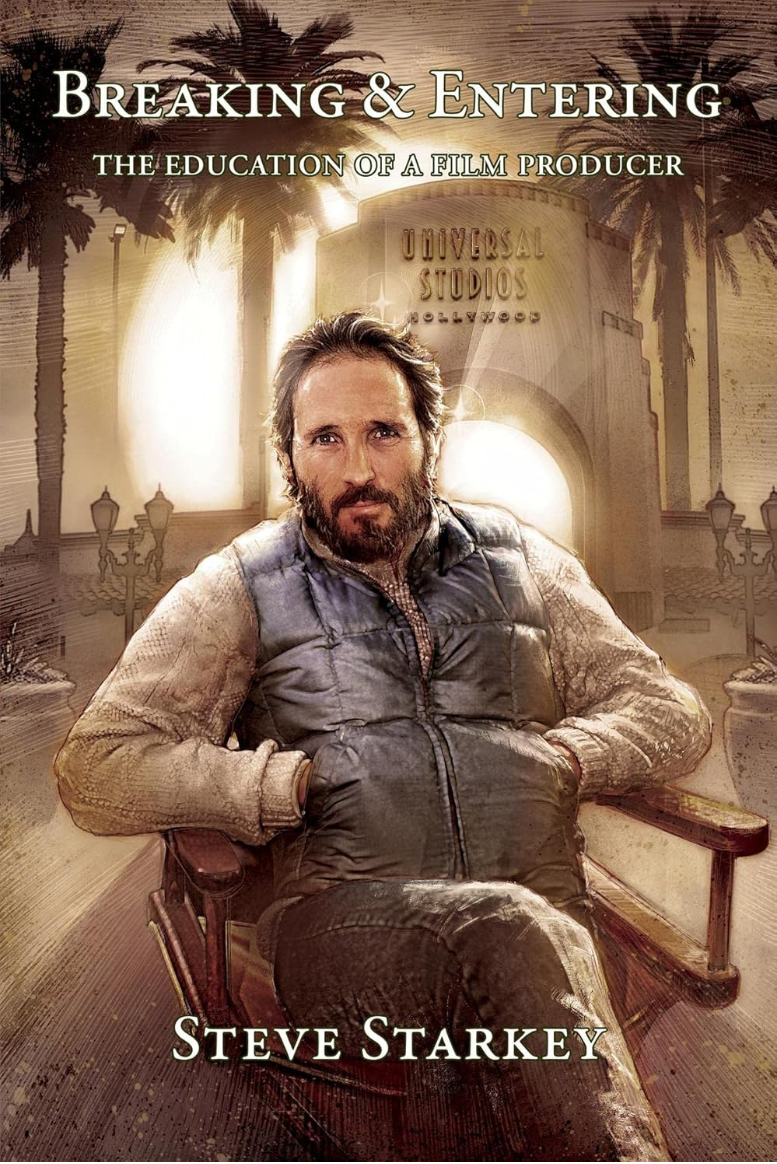
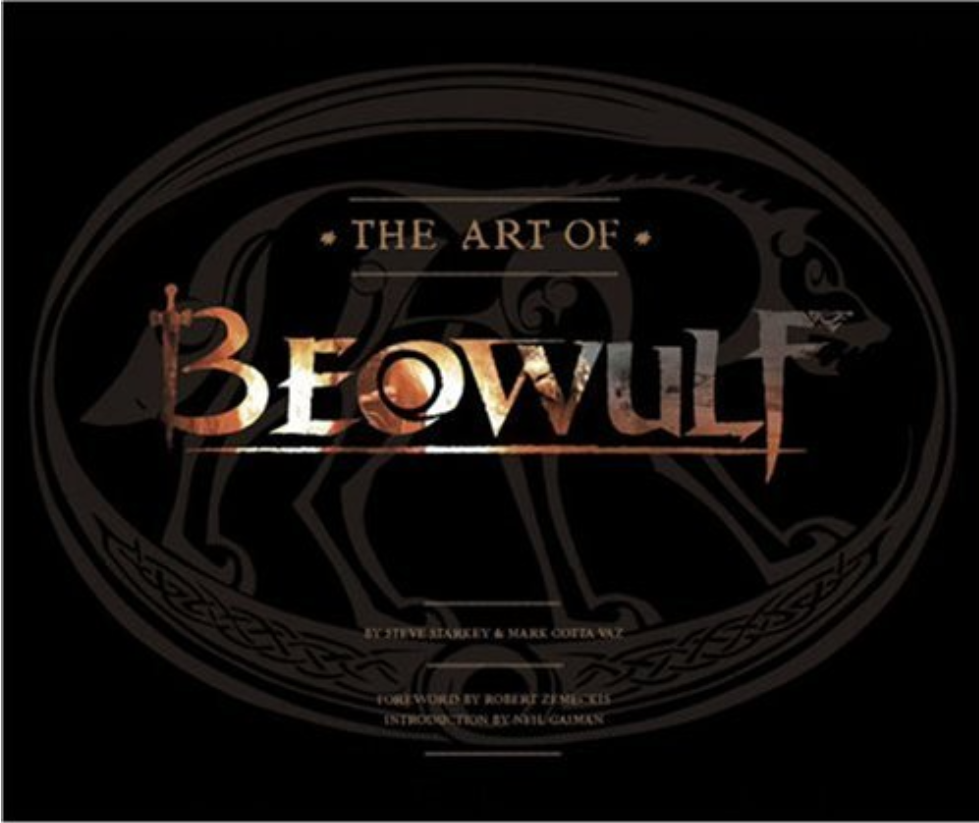
Steve Starkey is an Academy Award-winning producer and a longtime collaborator with legendary filmmaker Robert Zemeckis. After producing Death Becomes Her, his first film with Zemeckis, Starkey went on to produce and win the Academy Award for Best Picture on the film Forrest Gump. Following the film Contact, Zemeckis and Starkey formed the company ImageMovers. The new company produced What Lies Beneath, Cast Away. The Polar Express, Beowulf, and Monster House, the first feature-length films using motion-capture technology. Starkey also produced films for a number of other directors, including Matchstick Men with Ridley Scott and The Prize Winner of Defiance, Ohio with Jane Anderson. Returning to live-action filmmaking, Zemeckis and Starkey continued their collaboration on Flight, The Walk, Allied, and Welcome to Marwen.
Read other Steve Starkey books on Amazon:

Header Photo: "Riot Radio" by Arielle Calderon / Flickr / CC By / Cropped
Silver Screen Video Banner Photos: pedrojperez / Morguefile; wintersixfour / Morguefile
Join Button: "Film Element" by Stockphotosforfree
Twitter Icon: "Twitter Icon" by Freepik
Facebook Icon: "Facebook Icon" by Freepik
LinkedIn Icon: "LinkedIn Icon" by Fathema Khanom / Freepik
Goodreads Icon: "Letter G Icon" by arnikahossain / Freepik
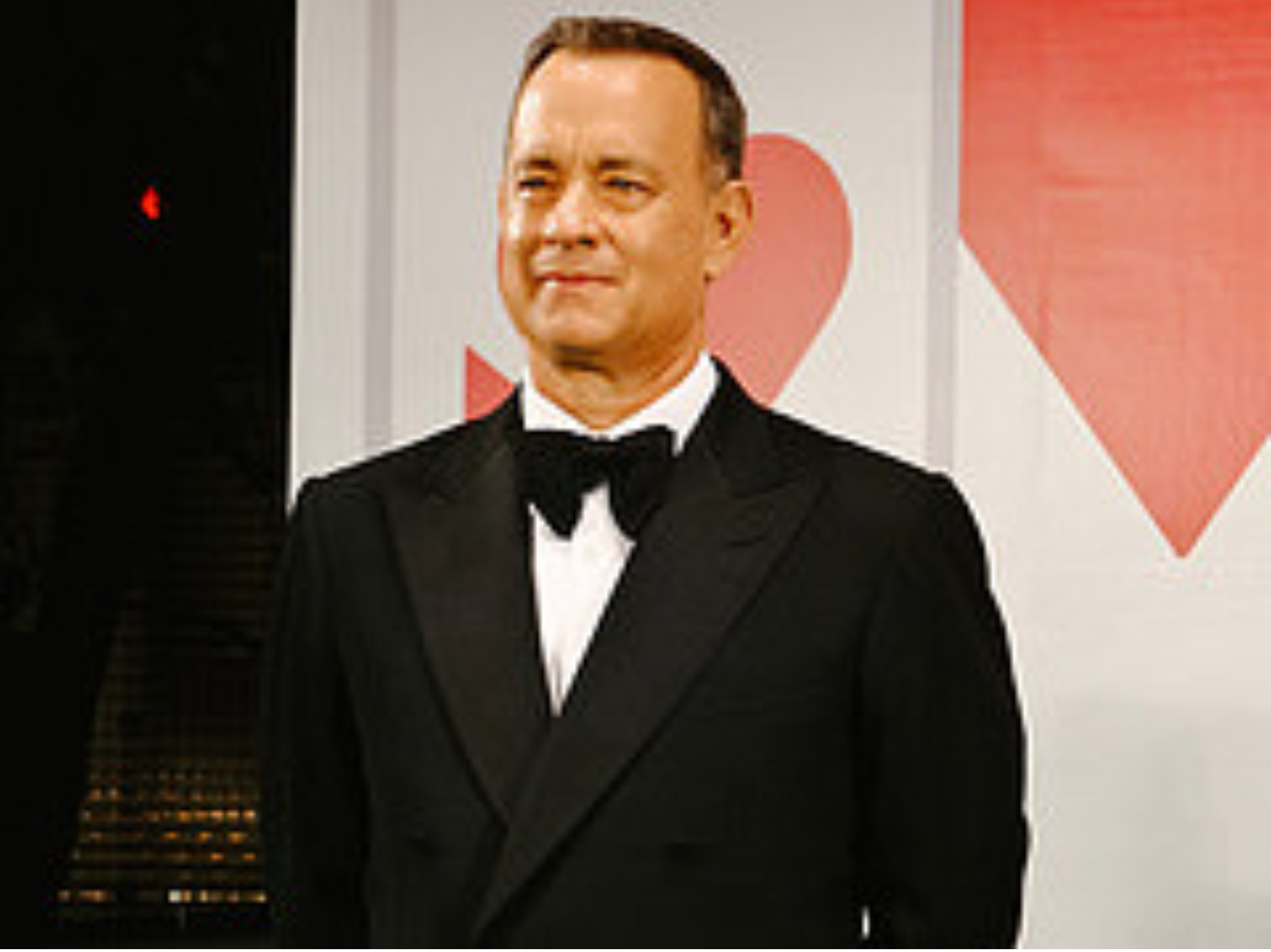
Tom Hanks: "26th Tokyo International Film Festival- Tom Hanks from Captain Phillips" by Dick Thomas Johnson / Wikimedia Commons / CC BY 2.0
Certain images on this site appear courtesy of Amazon.com and other sponsors of Silver Screen Videos for the purpose of advertising products on those sites. Silver Screen Videos earns commissions from purchases on those sites.
© 2026 Steven R. Silver. All rights reserved.
