Silver Screen Library
Revenge of Odessa by Frederick Forsyth with Tony Kent - Review

Follow Us:





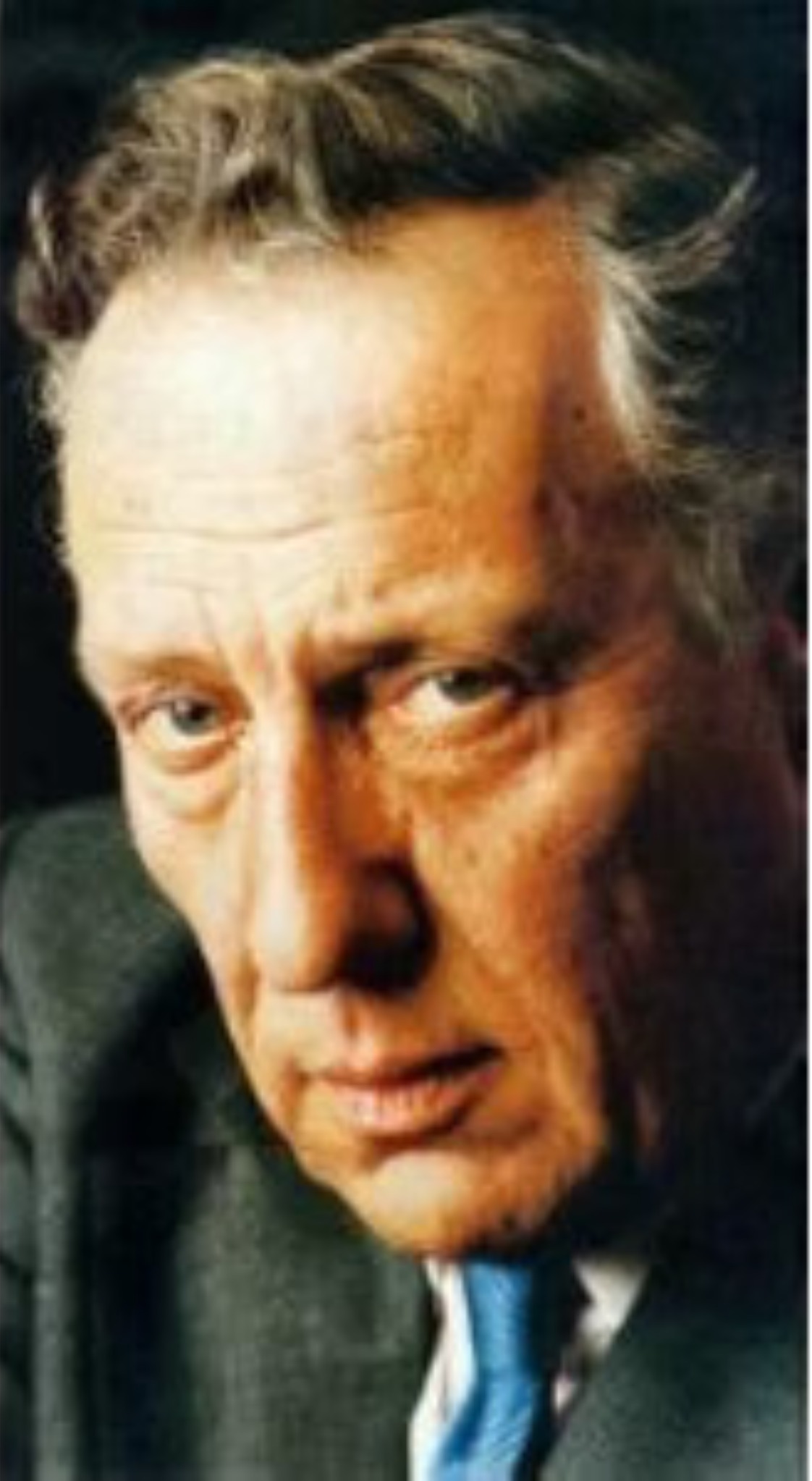
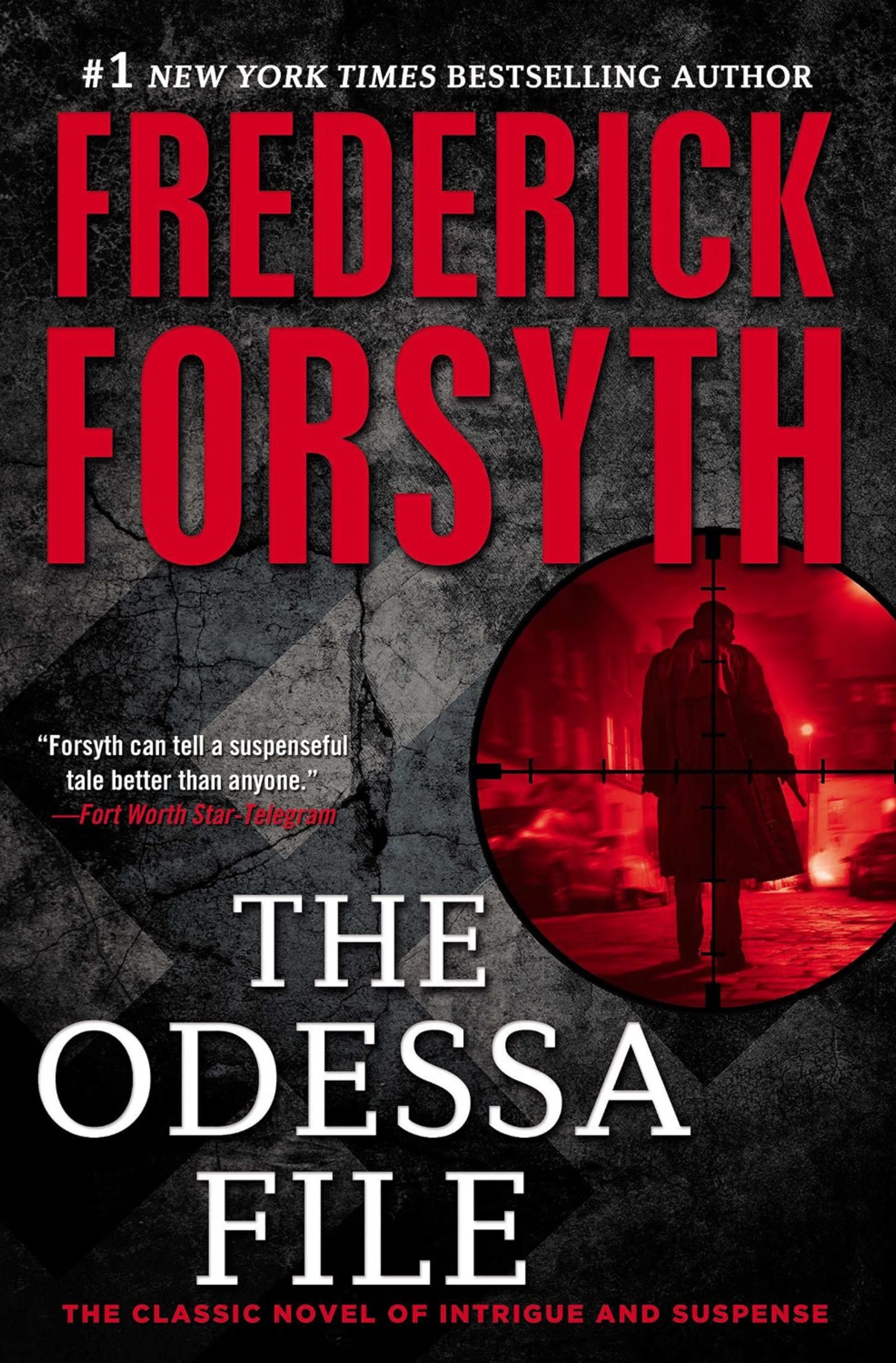
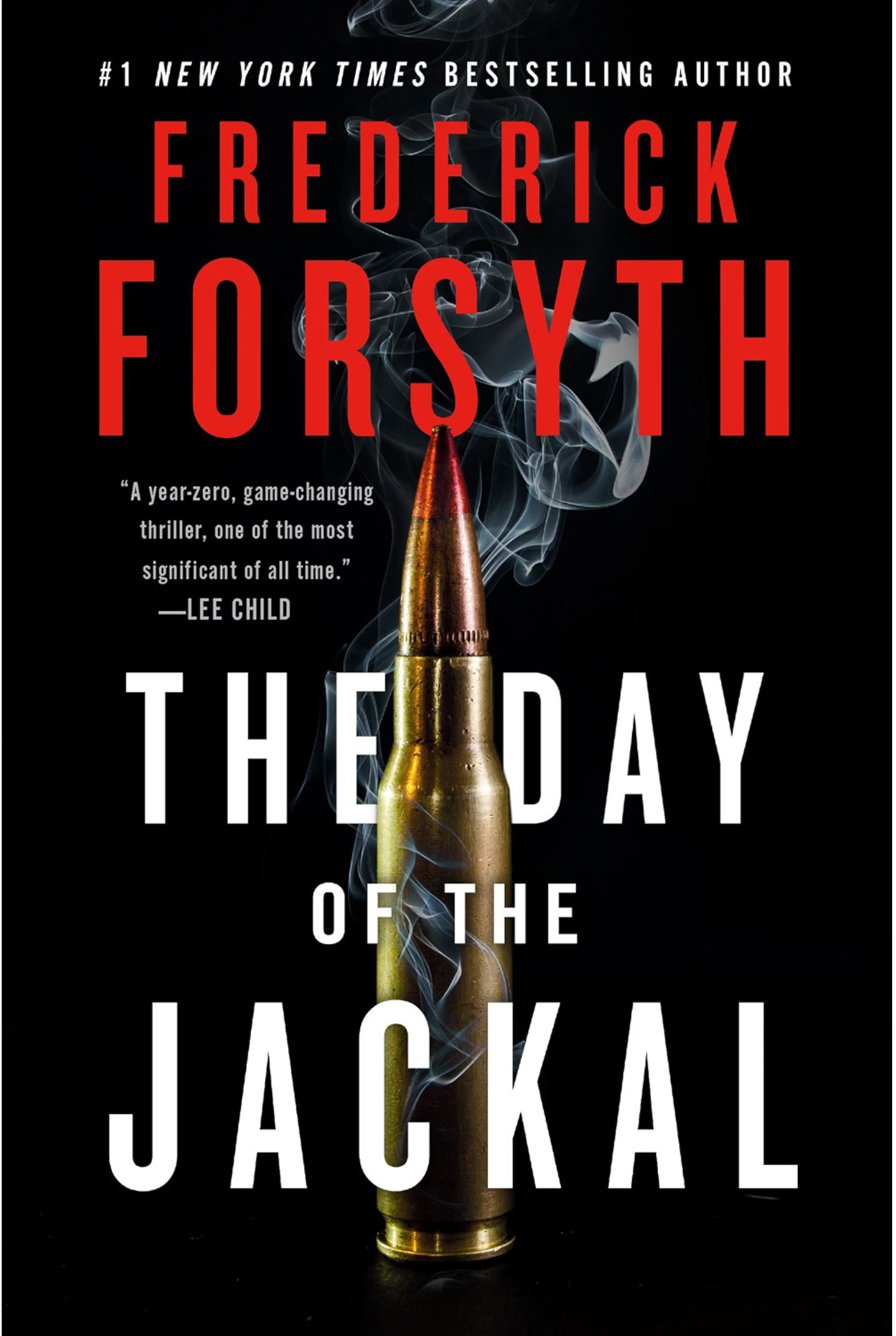
In 1971, English journalist Frederick Forsyth exploded onto the literary scene with The Day of the Jackal, an exhaustively researched fictional thriller based on a real plot to assassinate French President Charles de Gaulle several years earlier. Forsyth brought the book’s titular villain to life and injected genuine suspense into a known historic event. The author’s incredible detail in describing the technology and tactics behind the Jackal’s actions gave the book a realistic feel few similar thrillers have matched (and led to two movie adaptations and a TV series as well). Two years later, Forsyth followed that success with The Odessa File, an equally effective thriller about a secret neo-Nazi organization bent on behind-the-scenes world domination.
Forsyth’s career continued for another half century, marked by a series of similarly styled espionage thrillers on various topics. He incorporated his own experiences as a journalist into many of his novels to add to their sense of realism. However, despite helming a series of subsequent bestsellers, he could never match the heights of those first two novels. (Forsyth’s third novel, The Dogs of War, was nearly as good, however.) Throughout his career, Forsyth resisted the temptation to turn any of his works into a
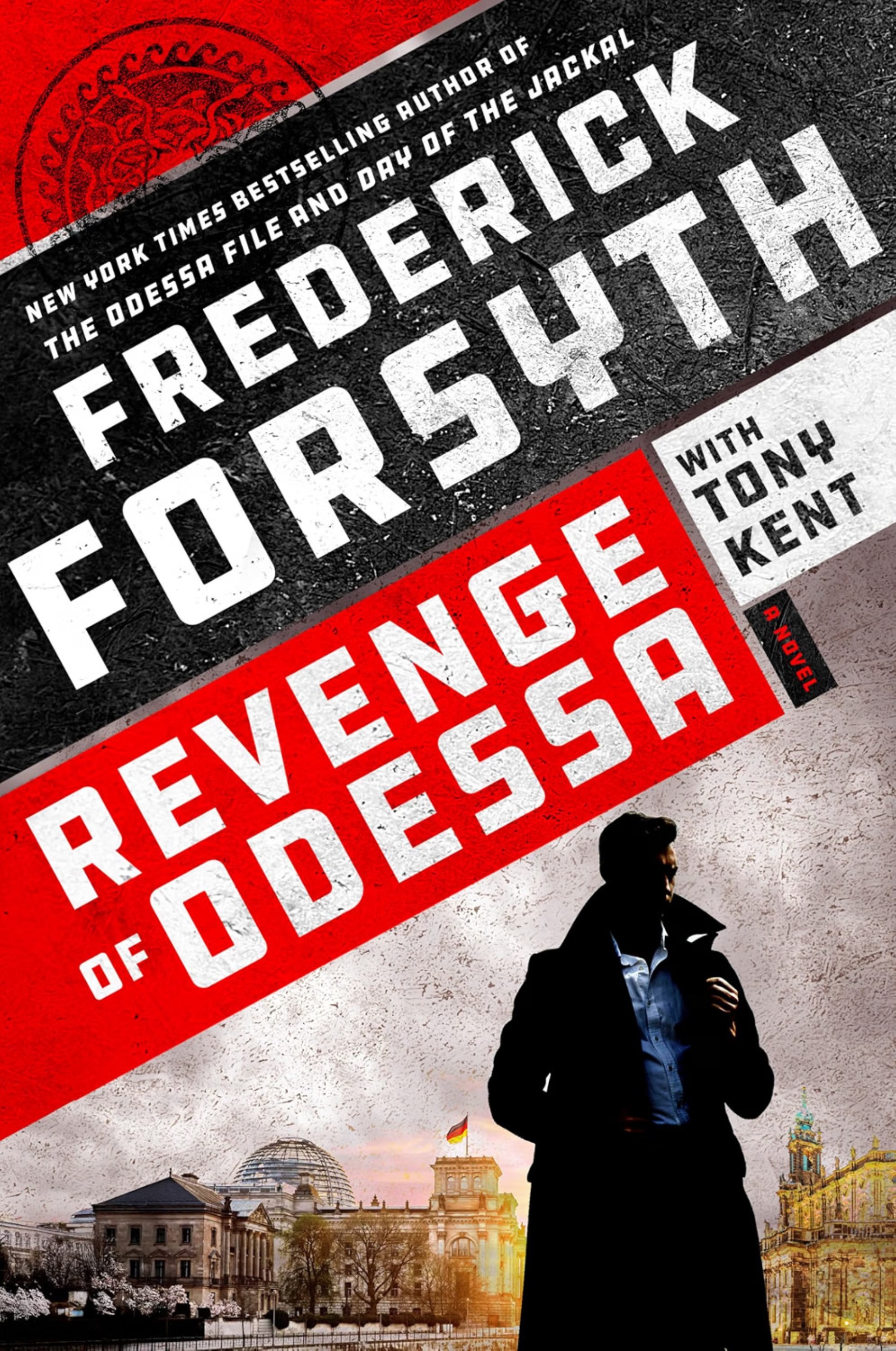
franchise through sequels. However, shortly before he died in 2025, Forsyth finally collaborated with contemporary thriller writer Tony Kent on a sequel to The Odessa File entitled Revenge of Odessa. Although the novel’s byline states it was written by “Frederick Forsyth with Tony Kent,” Forsyth’s influence on the finished product is clearly minimal, and the result is a routine thriller based on an imaginative premise.
The Odessa File took place shortly after the assassination of John F. Kennedy. The plot centered on “ODESSA,” a secret organization of ex-Nazis with plans to destroy Israel and continue the Third Reich. German journalist Peter Miller eventually foiled their plot. Revenge of Odessa takes place in 2025. The novel’s protagonist is Georg Miller, Peter Miller’s grandson, who is also a journalist. After a group of Islamic terrorists launch a deadly attack at a soccer match in Germany, Georg goes to a hospital to interview survivors. There, he meets a dementia patient who was formerly an Odessa assassin. Based on what he learns from the patient, Georg investigates further and learns that Odessa was behind the terrorist attack. Their goal was to use the attack as a pretext for consolidating their own influence and power to fight the terrorists.
I don’t know for sure how much of the final version of Revenge of Odessa is Frederick Forsyth’s work, and how much Tony Kent wrote. Based on what I’ve been able to find out, Forsyth had the basic idea for the story and wrote a short treatment before he died. However, Kent wrote the actual novel, with some consultation from Forsyth. This makes sense to me. Revenge of Odessa is not a Frederick Forsyth novel. Although Georg “investigates” the events in the story, his success is primarily because of some incredibly lucky coincidences (encountering an Odessa assassin in the hospital where he goes to interview terror-attack victims), combined with some extraordinarily talkative villains who give away much of their activities. The Odessa File was a testament to Peter Miller’s dogged journalism and read, in large part, like a political-thriller version of All the President’s Men. Here, one lead after another falls into Georg’s lap, and the entire story takes place over one week.
In The Odessa File, Forsyth described the origin and operation of Odessa in so much detail that the organization seemed chillingly plausible. (Indeed, the book’s primary villain, Eduard Roschmann, was an actual Nazi war criminal living in South America when the book was written.) Unfortunately, Tony Kent lacks the talent to bring this new version of Odessa to life plausibly. Instead, the various leads that Georg picks up offer only a sketchy idea of the extent of the new organization.
Although Kent lacks Forsyth’s talent for creating a credible alternative worldview, he is a decent action thriller writer, and “Revenge of Odessa” has several well-staged action scenes. Georg proves surprisingly adept when the shooting starts, and he has the help of his godfather, a former British intelligence agent with some highly developed combat talents. The book’s set pieces are entertaining to read, but they are also far too low-key for an attempt to thwart a powerful conspiracy intent on world domination.
Viewed solely as an action thriller, Revenge of Odessa is a serviceable potboiler. However, the book doesn’t do justice to its predecessor, nor does it provide the answers readers expect. Further, Georg’s character and motivations are confusing before he learns about Odessa’s return. The first few chapters contain a good bit of babble instead of character development. I understand Forsyth’s motivation in introducing an updated version of Odessa in the current world political climate. (The book also has a lengthy subplot involving a mysterious right-wing senator in the United States.) Unfortunately, Forsyth’s mortality prevented him from writing the sequel he undoubtedly envisioned. Instead, we get a routine action story that will disappoint many fans of the original novel. The best thing about this sequel is that it triggers memories of a far better original story.
NOTE: The publisher graciously provided me with a copy of this book through NetGalley. However, the decision to review the book and the contents of this review are entirely my own.
In this clip, co-author Tony Kent discusses Revenge of Odessa with Jeremy Vine of Daytime on 5:
Read other reviews of Revenge of Odessa:
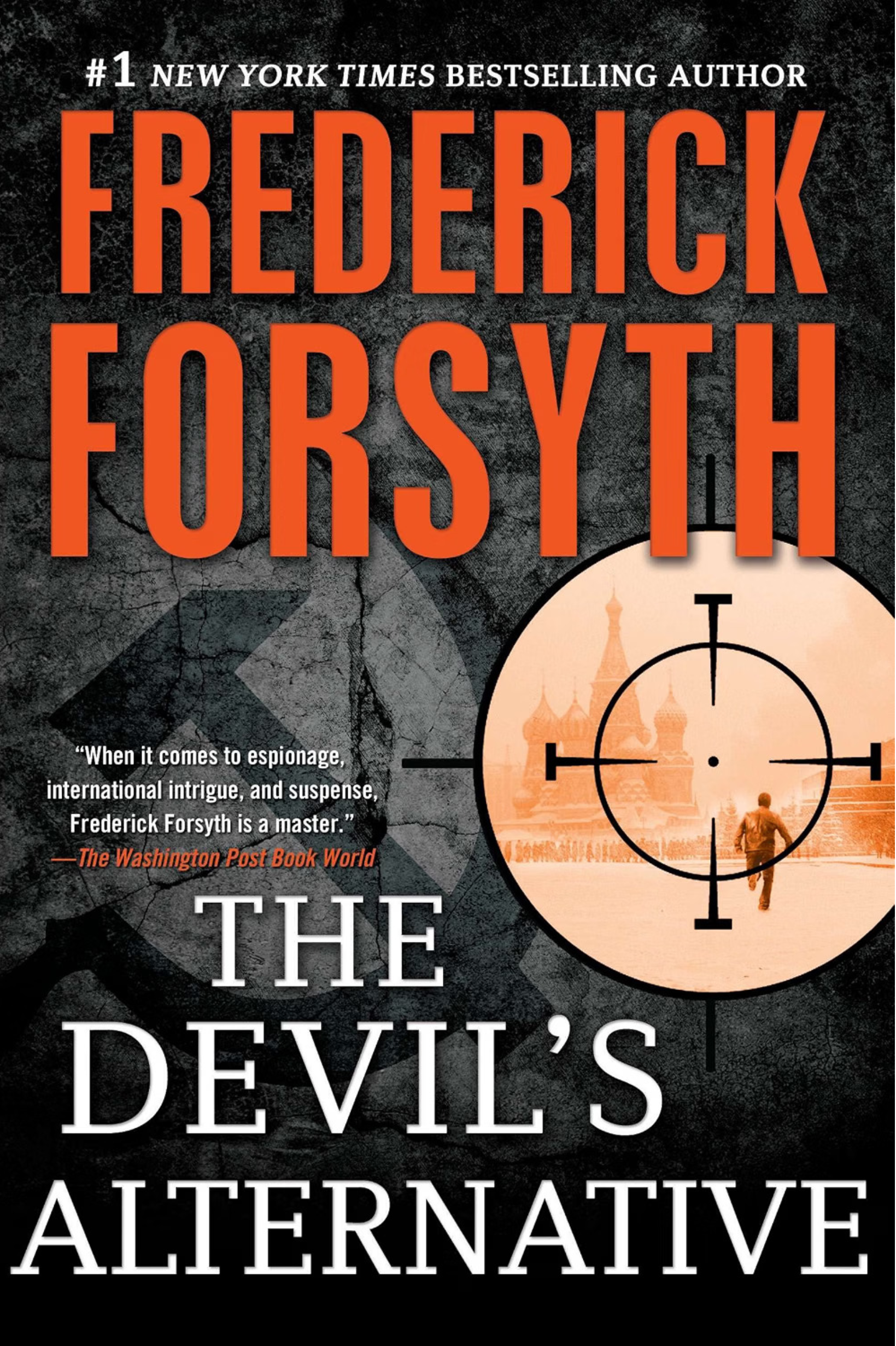
Buy other books by Frederick Forsyth on Amazon:
Header Photo: "Riot Radio" by Arielle Calderon / Flickr / CC By / Cropped
Silver Screen Video Banner Photos: pedrojperez / Morguefile; wintersixfour / Morguefile
Join Button: "Film Element" by Stockphotosforfree
Twitter Icon: "Twitter Icon" by Freepik
Facebook Icon: "Facebook Icon" by Freepik
LinkedIn Icon: "LinkedIn Icon" by Fathema Khanom / Freepik
Goodreads Icon: "Letter G Icon" by arnikahossain / Freepik
Strand Magazine: "The Strand Magazine Bound Volume 1894" by Michael Maggs / Wikimedia Commons / Public Domain
Certain images on this site appear courtesy of Amazon.com and other sponsors of Silver Screen Videos for the purpose of advertising products on those sites. Silver Screen Videos earns commissions from purchases on those sites.
© 2026 Steven R. Silver. All rights reserved.
